Fashion / Guides & How-To’s
Cable Knit vs Sherpa-Lined Beanie: Which Is Warmer for Winter?
Cable knit or sherpa lined? A sherpa-lined beanie is usually warmer for cold and windy days, while an unlined cable knit is lighter and easier to wear. Here's how to choose.
Cable Knit vs Sherpa-Lined Beanie: Which Is Warmer for Winter?
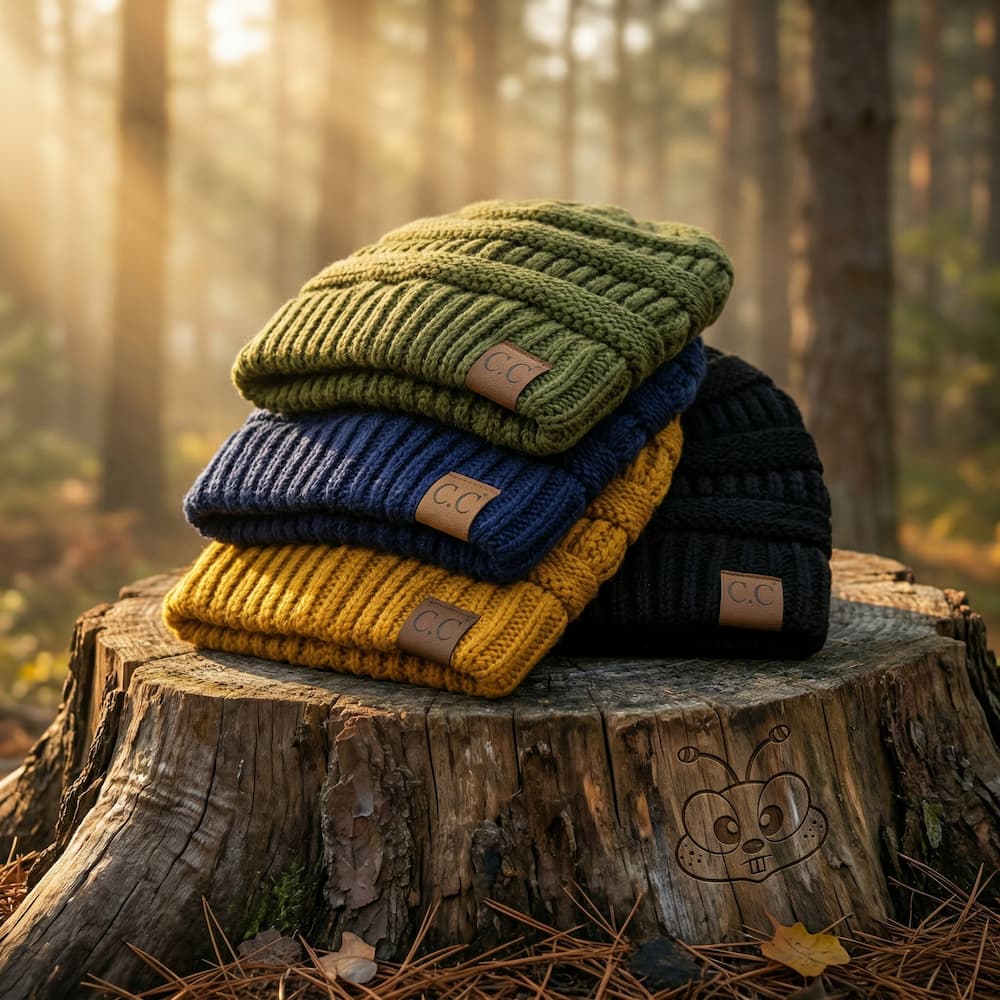
A sherpa-lined beanie is usually the warmer choice for cold or windy weather, while an unlined cable knit beanie is lighter, less bulky and easier to wear on milder days or indoors. The knit pattern on the outside may look almost identical, but the lining changes how the hat performs.
That difference matters because most people do not need the warmest hat possible. They need the right hat for their actual winter: how cold it gets, how long they stay outside and how much bulk they are willing to tolerate.
This guide compares cable knit and sherpa-lined beanies on warmth, wind protection, breathability, bulk, fit and everyday comfort, using two current Happibee styles as examples: the C.C Cable Knit Beanie and the C.C Sherpa Lined Cable Knit Beanie.
Cable Knit vs Sherpa Lined: The Quick Answer
Choose a sherpa-lined beanie if you want more insulation, better protection against wind and a warmer feel against your ears and forehead.
Choose an unlined cable knit beanie if you want less bulk, more breathability and a hat that is easy to wear for errands, commuting or mild winter days.
Neither is automatically better. The right choice depends on where and how you plan to wear it.
What Does a Beanie Lining Actually Change?
A beanie's lining changes three things more than anything else: insulation, wind resistance and bulk.
Insulation
A cable knit pattern has raised, twisted texture that looks cozy, but the knit itself can have small gaps between the stitches. Those gaps are part of what gives cable knit its stretch and breathability.
A sherpa lining adds a soft fleece-style layer inside the hat. That extra layer helps trap warm air and creates a barrier between the knit and your head, which is why lined hats usually feel noticeably warmer than the same knit without a lining.
Wind Resistance
Wind is where the difference is often most obvious. An unlined knit can let air move through the fabric, so a cold breeze can reach the scalp and ears more easily.
A lined beanie gives wind another layer to pass through, so it typically feels warmer on breezy days even if the outer knit is the same.
Bulk
Lining adds thickness. A sherpa-lined beanie is usually warmer, but it also sits heavier on the head, takes up more space in a bag and can feel warmer than you want once you step indoors.
Is a Cable Knit Beanie Warm Enough for Winter?
It depends on the winter.
For mild winter days, short walks, commuting or moving between heated buildings, an unlined cable knit beanie is often warm enough. The knit still traps some heat, covers the ears and cuts down on heat loss from the head.

The C.C Cable Knit Beanie is a good example of this everyday style. It is stretchy, lightweight and offered in several color choices, which makes it easy to pair with different coats and outfits.
Where an unlined cable knit falls short is in truly cold, windy or wet conditions. In those situations the open knit structure lets more air reach the head, and the hat can feel thinner than it looks.
When a Sherpa-Lined Beanie Makes More Sense
A sherpa-lined beanie is the better choice when warmth matters more than minimal bulk.

The C.C Sherpa Lined Cable Knit Beanie uses the same familiar cable knit look on the outside, but the sherpa interior adds the extra insulation many people want for colder mornings, longer walks or breezy weather.
Consider the lined version if you:
- Spend more than a few minutes outside at a time
- Live somewhere with wind, sleet or below-freezing temperatures
- Get cold ears easily
- Want a hat for watching outdoor events, walking the dog or standing around outside
- Prefer a soft, plush feel against the skin
Cable Knit vs Sherpa-Lined Beanie Comparison
| Feature | Cable Knit Beanie | Sherpa-Lined Cable Knit Beanie |
|---|---|---|
| Warmth | Light to moderate | Moderate to high |
| Wind protection | Limited; air can pass through the knit | Better; lining blocks more airflow |
| Bulk | Lower | Higher |
| Breathability | Higher | Lower |
| Indoor comfort | Easier to keep on indoors | Can feel too warm indoors |
| Hair | Less pressure and heat | Softer interior, more heat retention |
| Fit | Stretchy and lightweight | Snugger feel because of the added layer |
| Best for | Mild winter days, errands, commuting | Cold mornings, wind, longer time outside |
Which Winter Beanie Should You Choose?
Mild Winter or Quick Errands
Choose the unlined cable knit. It gives you enough coverage for short trips without overheating once you are back inside.
Cold Mornings and Wind
Choose the sherpa-lined version. The lining is what makes the biggest difference when temperatures drop or the wind picks up.
Long Time Outdoors
Choose sherpa-lined. Over a long walk, a game or an afternoon outside, a thin knit often starts to feel inadequate, while a lined hat holds warmth more consistently.
Someone Who Runs Hot
Choose the unlined cable knit. Extra breathability matters more than maximum insulation if you tend to overheat quickly.
Someone Who Hates Bulky Hats
Choose the unlined cable knit. A lined beanie will always feel thicker on the head, so an unlined style is the better compromise if bulk bothers you.
C.C Cable Knit vs C.C Sherpa-Lined Beanie
If you are comparing the two C.C styles specifically, the decision is easy to summarize.
The C.C Cable Knit Beanie is the lighter everyday option. It stretches easily, comes in multiple colors and works well as a general-purpose winter hat when the weather is not extreme.
The C.C Sherpa Lined Cable Knit Beanie keeps the same look but adds insulation. It costs a little more than the unlined version, and the extra warmth is the reason to spend it.
If you only want one winter hat and you regularly deal with cold or wind, the sherpa-lined style is the safer all-around pick. If you mostly need a stylish hat for mild days, the standard cable knit is the more comfortable choice.
Cable Knit vs Sherpa-Lined Beanie FAQs
Is a sherpa-lined beanie warmer than a regular knit beanie?
Usually, yes. The lining adds insulation and blocks more airflow than an unlined knit, which makes it warmer in cold or windy conditions.
Are cable knit beanies breathable?
Yes. The open structure of a cable knit allows more airflow than a lined beanie, which is part of why it feels lighter and less stuffy.
Do sherpa-lined beanies feel bulky?
They feel thicker than unlined beanies. That extra layer is what provides the warmth, so bulk and insulation usually go together.
Which beanie is better for wind?
A sherpa-lined beanie. Wind can pass through an unlined knit more easily, while the lining acts as an extra barrier.
Which beanie is better indoors?
An unlined cable knit beanie. It is easier to keep on indoors because it does not hold as much heat.
Can you wear a cable knit beanie in cold weather?
Yes, but it works best for short periods or milder cold. For freezing, windy or extended outdoor conditions, a lined beanie usually performs better.
Bottom Line
Choose a sherpa-lined beanie when warmth is the priority. Choose an unlined cable knit beanie when you want less bulk, more breathability and an easier hat for everyday wear.
If your winter is mostly errands and mild days, start with the cable knit. If you deal with real cold, wind or longer stretches outside, the sherpa lining is worth it.
Browse both styles in Happibee's Hats & Beanies collection.