A Practical Guide to Choosing and Using Vaginal Dilators
If you already understand what vaginal dilators are and why they are used — vaginismus, dyspareunia, post-surgical recovery, menopausal atrophy, post-vaginoplasty maintenance — this page focuses on the practical details: how to pick your starting size, how to actually use a dilator at home, what the different product styles offer, and how to know when you are ready to progress. If you are new to dilator therapy entirely, the Dilators and Pelvic Therapy overview explains the conditions these products address and how the therapy works at a foundational level.
Choosing Your Starting Size
The right starting size is the largest dilator you can insert without pain — not the smallest one in the set. Starting too small wastes time on a size that does not challenge the tissue or muscles at all. Starting too large triggers the exact pain-and-guarding response you are trying to unlearn. If you are working with a pelvic floor physical therapist, they can assess your muscle tone during an exam and recommend a specific diameter. If you are starting on your own, a practical benchmark is tampon comfort: if you can insert a regular tampon without significant pain, the second or third dilator in a typical five-piece set is usually an appropriate starting point. If tampon insertion itself is painful or impossible, begin with the smallest dilator in the set.
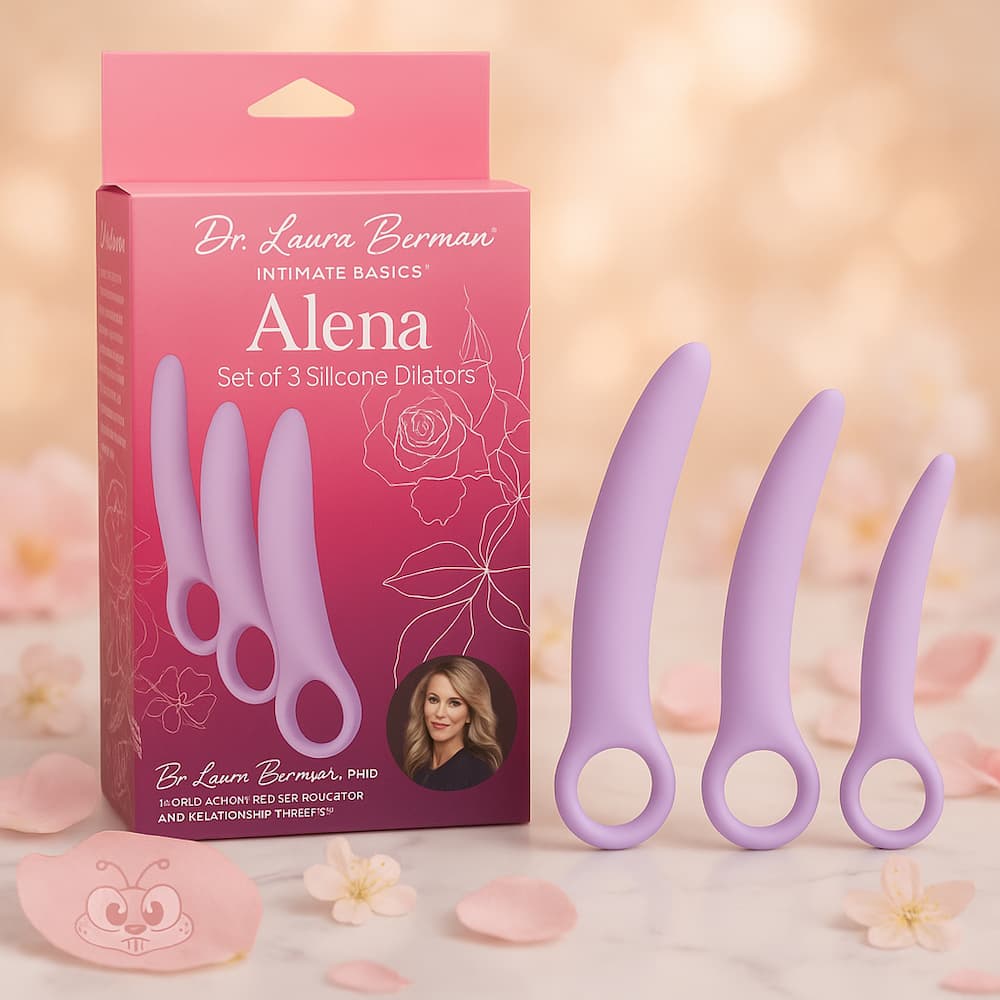
Standard vaginal dilator sets typically range from roughly 15 mm diameter (slightly narrower than a finger) at the smallest to approximately 35–38 mm (comparable to an average erect penis) at the largest. Sets of five to eight pieces offer smaller increments between sizes, which makes each step up less daunting. Sets of three or four pieces have larger jumps between sizes, which can feel like a bigger leap. If the gap between two sizes in your set feels too large, you can spend more time with the smaller size — using gentle movement, rotation, and pressure against the vaginal walls to build additional stretch before attempting the next one.
Step-by-Step Insertion
Choose a time when you will not be interrupted and are not rushed. Many people find that evenings work best because the body is naturally more relaxed, but any time you can devote 15 to 20 minutes of undistracted attention works. Wash your hands and the dilator with warm water and mild soap. Apply a generous amount of water-based lubricant to the rounded tip of the dilator and to the vaginal opening — more than you think you need. Oil-based and silicone-based lubricants can degrade certain dilator materials, so water-based is the safest default unless your provider or the manufacturer says otherwise.
Lie on your back with your knees bent and feet flat, letting your knees fall open — the same position as a pelvic exam. Some people prefer lying on their side with the top knee drawn toward the chest, which relaxes the pelvic floor differently and can feel less clinical. Others find a reclined seated position against pillows more comfortable because it gives them a clear sightline and easier hand positioning. Try more than one position across your first few sessions to find what feels best for your body.
Hold the dilator at the vaginal opening and angle it slightly downward toward the spine — not straight in, which pushes against the front wall and the pubic bone. Apply gentle, steady pressure. Do not push through resistance. When you feel the muscles tighten, pause. Take a slow breath in through the nose, then exhale slowly through the mouth while consciously relaxing the pelvic floor — imagine letting the muscles around the vaginal opening soften and drop, the way they would if you were releasing a held breath after a deep sigh. As the muscles release, the dilator will slide further in on its own. Repeat this breathe-and-release cycle until the dilator is inserted to a comfortable depth. You do not need to insert it all the way — stop wherever the tissue begins resisting.
Once the dilator is in place, hold it there for 5 to 15 minutes. You can read, watch something, listen to music, or practice breathing exercises during this time — the goal is to remain relaxed while the tissue accommodates the stretch. Some protocols recommend gently rotating the dilator or applying light pressure in different directions (up, down, left, right) against the vaginal walls to stretch the tissue more evenly. When the session is over, slowly withdraw the dilator, clean it with warm soapy water, pat it dry, and store it in a clean case or bag away from other products.
Wearable Dilators
Standard dilators are held in place by hand during a session, which means one hand is always occupied and the user is typically lying down. Wearable dilators — like the She-ology set — are shaped and weighted to stay in place inside the vaginal canal without being held, so you can stand, walk, or go about light daily activities while dilating. The curved shape and body-weight retention design mean the dilator sits securely without slipping out. Wearable dilators make it easier to integrate dilation into a daily routine rather than treating it as a dedicated therapy session, which can improve consistency for people who struggle to find 15 uninterrupted minutes. The trade-off is less control over pressure and positioning compared to a hand-held dilator — you cannot direct the stretch against a specific area of the vaginal wall while wearing one.
Vibrating Dilators
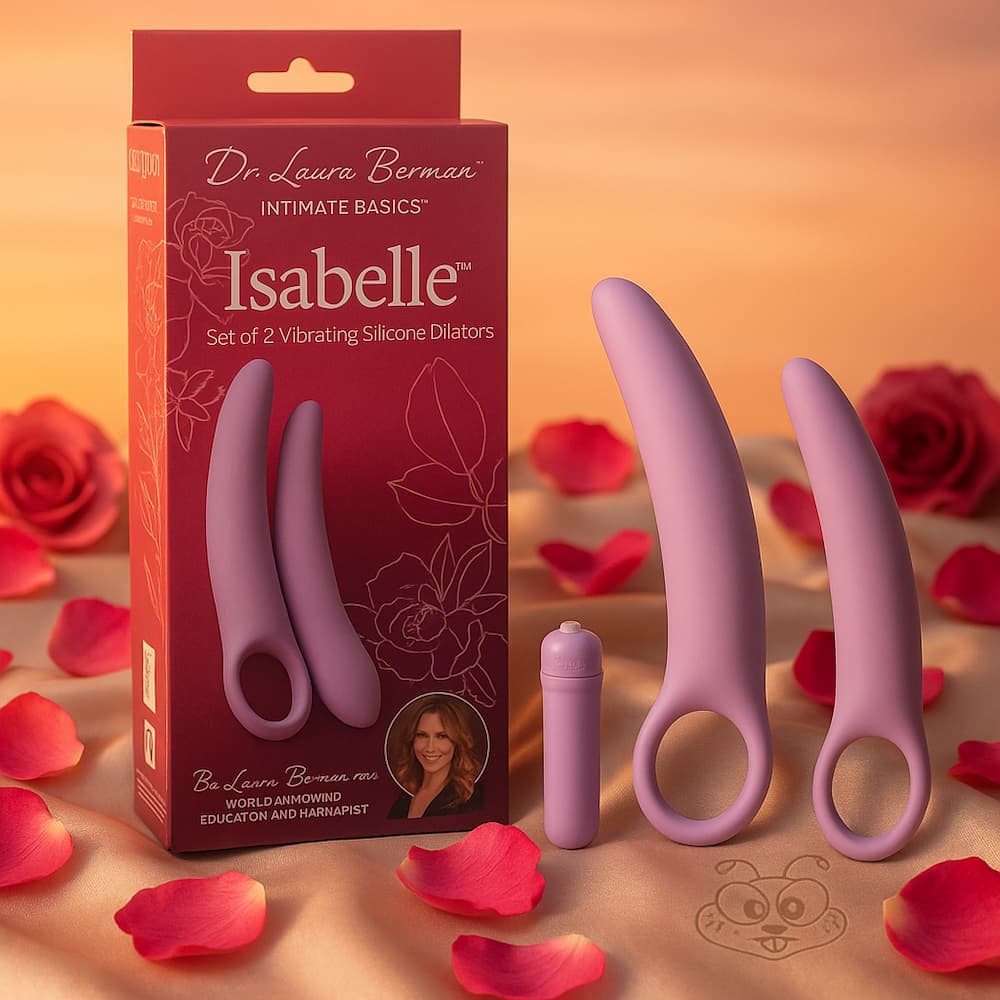
Some dilator sets include a vibrating function, either built into the dilator or via a removable bullet vibrator that inserts into a cavity in the dilator's base. Vibration serves a therapeutic purpose here: it helps the pelvic floor muscles relax by providing a gentle, rhythmic stimulus that the nervous system processes as non-threatening. For some people — especially those with vaginismus where the muscle guarding response is strong — a vibrating dilator can make the initial insertion significantly easier because the vibration partially overrides the contraction reflex. The vibration is not about pleasure (though it may feel pleasant), it is about giving the nervous system something other than the insertion to focus on, which reduces the anticipatory bracing that makes standard dilators difficult to insert.
When to Progress to the Next Size
The signal to move up is not a specific number of sessions or days — it is comfort. When you can insert the current dilator without anxiety, hold it for the full session duration without discomfort, and move it gently in and out or rotate it without triggering a guarding response, you are ready for the next size. If the next size feels like too big a step, spend additional sessions with the current size doing active stretching: apply gentle sustained pressure against the vaginal walls in each direction (clock positions) to build additional tissue flexibility before attempting the wider dilator.
Plateaus are normal and do not mean the therapy has failed. Progress is rarely linear — you may advance through two sizes quickly and then spend weeks on the third. Stress, fatigue, hormonal fluctuations, and emotional state all affect pelvic floor tension, so a dilator that went in easily last week may feel tight today. If you hit a plateau that persists for more than a few weeks, this is a good time to consult a pelvic floor therapist if you are not already working with one. They can assess whether muscle tension, scar tissue, or psychological factors are contributing and adjust your protocol accordingly.
The Emotional Side
Dilator therapy is not just a physical process. For many people, the conditions that lead to needing a dilator — chronic pain, sexual trauma, surgical recovery, cancer treatment, gender transition — carry significant emotional weight. Frustration with slow progress, grief over lost sexual function, anxiety about whether the therapy will work, and complicated feelings about the body are all common and valid. It is okay to have sessions where you cannot insert the dilator at all because your body is not cooperating that day. It is okay to cry during a session. It is okay to take breaks from the therapy when it feels emotionally overwhelming, as long as you return to it when you are ready. The therapy works over time, and one difficult session does not erase the progress from previous ones.
Some people find it helpful to involve a partner in the process — having a partner insert the dilator can rebuild intimacy and trust around penetration in a controlled, low-pressure context. Others strongly prefer to keep dilation private and separate from their sexual relationship. Neither approach is wrong. If you do involve a partner, clear communication about pace, pressure, and the ability to stop at any moment is essential — the person receiving the dilator must always be the one who controls the session.