How Penis Pumps Actually Work — and How to Pick the Right One
A penis pump places a rigid cylinder over the shaft, seals against the body at the base, and removes air from inside the cylinder using either a hand-operated mechanism or a motorized one. As air pressure drops inside the tube, the pressure differential forces blood into the corpora cavernosa — the two sponge-like chambers that run the length of the penis and fill during a natural erection. The result is engorgement that closely mimics a natural erection in firmness and size, though the sensation may feel slightly different because the blood is being drawn in mechanically rather than through the body's own arousal pathway. Once the penis is fully engorged, a constriction ring slides from the base of the cylinder onto the base of the shaft, holding blood in place so the erection persists after the pump is removed.
The entire process takes between one and three minutes. The erection typically lasts 10 to 15 minutes without a ring, and up to 30 minutes with one — 30 minutes is the hard safety limit for any constriction ring, because restricting blood flow beyond that window risks ischemic tissue damage. The engorgement also produces a temporary increase in girth and sometimes length, which is why pumps are popular both as a functional tool for erectile support and as a recreational device for people who enjoy the visual and physical effect of a fuller erection.
Manual vs. Automatic: What the Difference Means in Practice
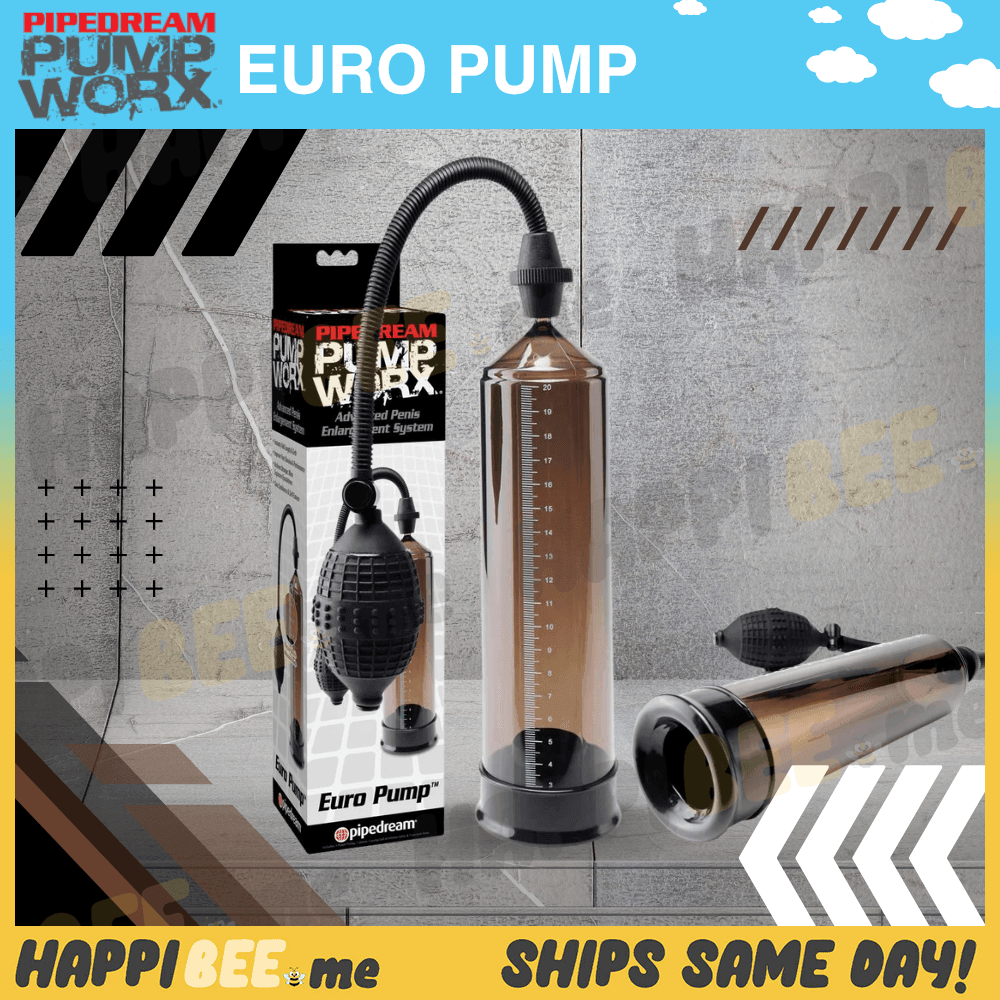
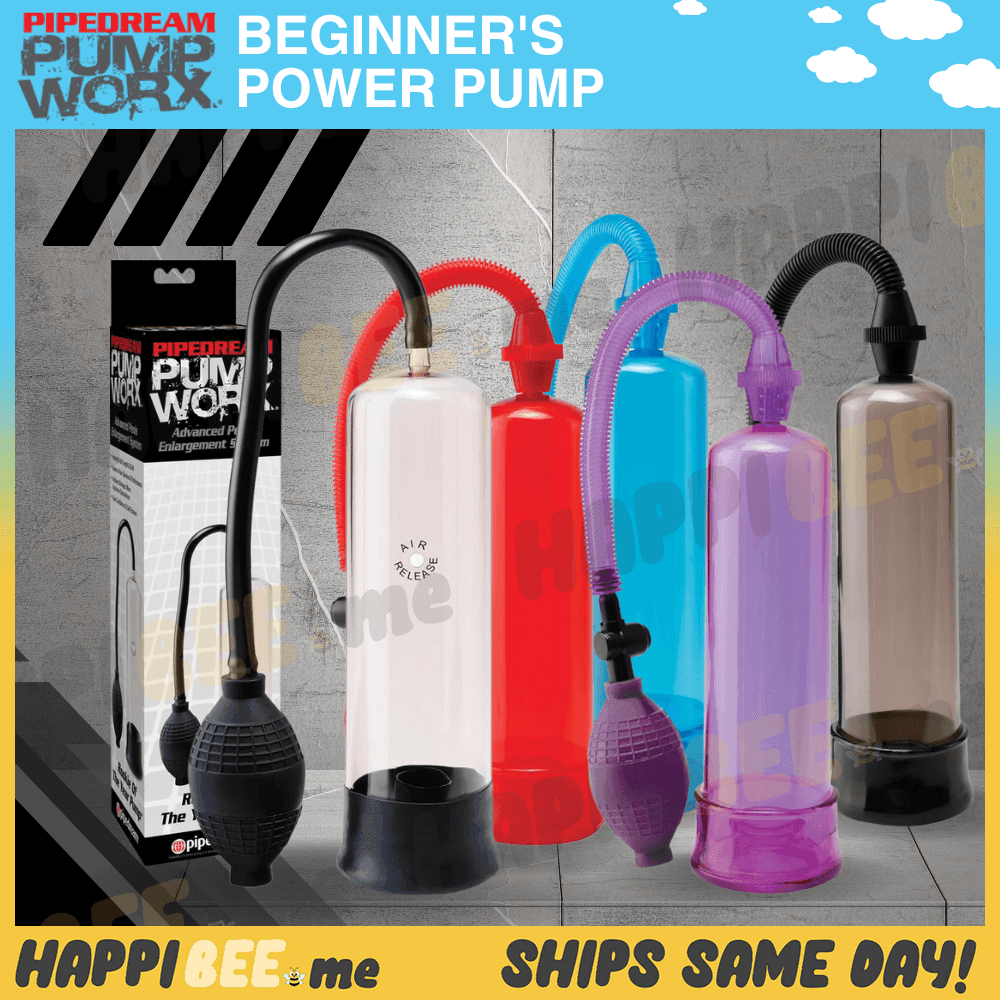
Manual penis pumps use a squeeze bulb, trigger handle, or pistol-grip lever that you operate by hand to draw air out of the cylinder. The main advantage is control — every squeeze builds pressure incrementally, so you can feel exactly how the tissue is responding and stop the moment you reach your target engorgement. Manual pumps also have no batteries to charge or replace, run silently, and tend to cost less than their motorized counterparts. Within the manual category, there is a meaningful split between one-hand and two-hand designs. One-hand pumps position the squeeze mechanism on the cylinder itself, so you can hold the pump in place and build suction with the same hand. Two-hand pumps separate the bulb from the cylinder via a tube, which means one hand holds the cylinder against your body while the other squeezes. Two-hand designs can generate stronger suction but require more coordination.
Automatic penis pumps use a battery-powered or rechargeable motor that creates suction at the press of a button. Most automatic pumps offer multiple suction levels — typically three to five presets — so you can select a pressure and let the motor do the work consistently. Higher-end automatic pumps include digital pressure readouts, programmable suction patterns, and built-in safety shut-offs that stop the motor if pressure exceeds safe limits. The trade-off is price (automatic pumps cost significantly more), noise (the motor is audible), and the need to keep the device charged. For anyone with arthritis, limited grip strength, or reduced hand dexterity, an automatic pump eliminates the physical effort of manual pumping entirely.
Cylinder Sizing
The cylinder needs to be large enough for the penis to expand inside it without touching the walls, but small enough to create a seal against the body. A cylinder that is too wide leaks air and never builds proper suction. One that is too narrow restricts expansion and can cause uneven engorgement or discomfort. To find your size, measure the erect or semi-erect penis at its widest point (mid-shaft girth), divide by pi (3.14) to get the diameter, then select a cylinder with an internal diameter roughly half an inch larger than that measurement. This gives the tissue room to expand without pressing against the walls. Length matters less — the penis does not need to fill the entire cylinder — but a cylinder that is comically oversized wastes suction volume and makes the pump less efficient.
Some pumps come with a single cylinder in one size. Others ship with interchangeable cylinders or offer replacements in different diameters. If you are between sizes, go with the larger option — you can always improve the seal with more lubricant around the base, but you cannot make a too-small cylinder wider.
Constriction Rings: The Part That Maintains the Result
The constriction ring — sometimes called a tension ring or cock ring — is what keeps the erection in place after you remove the cylinder. Without one, blood drains back out within minutes. Most penis pumps include a set of rings in graduated sizes, typically three to five rings ranging from snug to loose. The right ring is the one that holds the erection firmly without causing pain, numbness, or a feeling of excessive tightness. If the ring hurts or you notice your skin turning blue or purple, it is too tight — remove it immediately.
Rings included with pumps are usually made of silicone or rubber, and they are designed to be loaded onto the base of the cylinder before pumping so they can be rolled directly onto the shaft once the erection is established. This is more efficient than trying to stretch a ring onto an erect penis by hand. Some men prefer to use a separate cock ring instead of the included ring — that works fine as long as the ring is flexible enough to slide off easily when it is time to remove it. The 30-minute maximum wear time applies regardless of what ring you use.
Using a Penis Pump for Erectile Difficulty
Penis pumps are one of the few non-pharmaceutical, non-surgical treatments for erectile dysfunction that have been consistently supported by clinical data. The FDA classifies vacuum erection devices as Class II medical devices, and urologists regularly recommend them — particularly for men recovering from radical prostatectomy, where nerve damage can temporarily or permanently affect the body's ability to produce erections on its own. In that context, some healthcare providers suggest using a pump daily as part of penile rehabilitation to maintain tissue oxygenation and elasticity during the recovery window, though individual recommendations vary and should come from your own provider.
Men with Peyronie's disease — a condition where scar tissue causes curvature of the shaft — have also reported benefit from regular pump use, with some clinical evidence suggesting that consistent vacuum therapy can slow curvature progression and maintain erectile function. Men who experience ED as a side effect of diabetes, cardiovascular conditions, or medications that affect blood flow may find a pump effective where pills are contraindicated or produce unwanted side effects. A pump can also be used alongside oral ED medications — they are not mutually exclusive, and combining the two approaches is common.
Key Safety Features to Look For
A vacuum limiter — a mechanism that caps the maximum negative pressure the pump can generate — is the single most important safety feature on any penis pump. Medical-grade pumps typically operate within a range of approximately -100 to -150 mmHg; anything beyond that risks capillary rupture, bruising, or tissue injury. A pressure gauge, whether analog or digital, lets you see exactly how much suction you are applying in real time and repeat a comfortable level session after session. A quick-release valve allows you to dump all pressure from the cylinder instantly — this is your emergency exit if the suction becomes uncomfortable or you need to remove the pump quickly. Any pump worth buying has all three of these features. If a pump lacks a vacuum limiter, it is a novelty device, not a functional one, and you should not use it.
Common Mistakes
The most frequent mistake is pumping too aggressively too fast. Suction should build gradually over 30 seconds to two minutes — not all at once. If you see petechiae (tiny red dots under the skin), bruising, or feel numbness or sharp pain, you have exceeded your tissue's tolerance and need to stop, release pressure, and wait at least a full day before trying again. Another common mistake is neglecting the seal: pubic hair at the base of the shaft can break the cylinder's vacuum, so trimming the area where the cylinder meets skin improves both the seal and comfort. Applying a generous ring of water-based lubricant around the cylinder's opening also helps. Oil-based lubricants can degrade certain cylinder materials, so stick with water-based unless the manufacturer specifically says otherwise. After each session, disassemble the pump and wash the cylinder, seal, and any tubing with warm soapy water, then let everything air dry completely before storage.