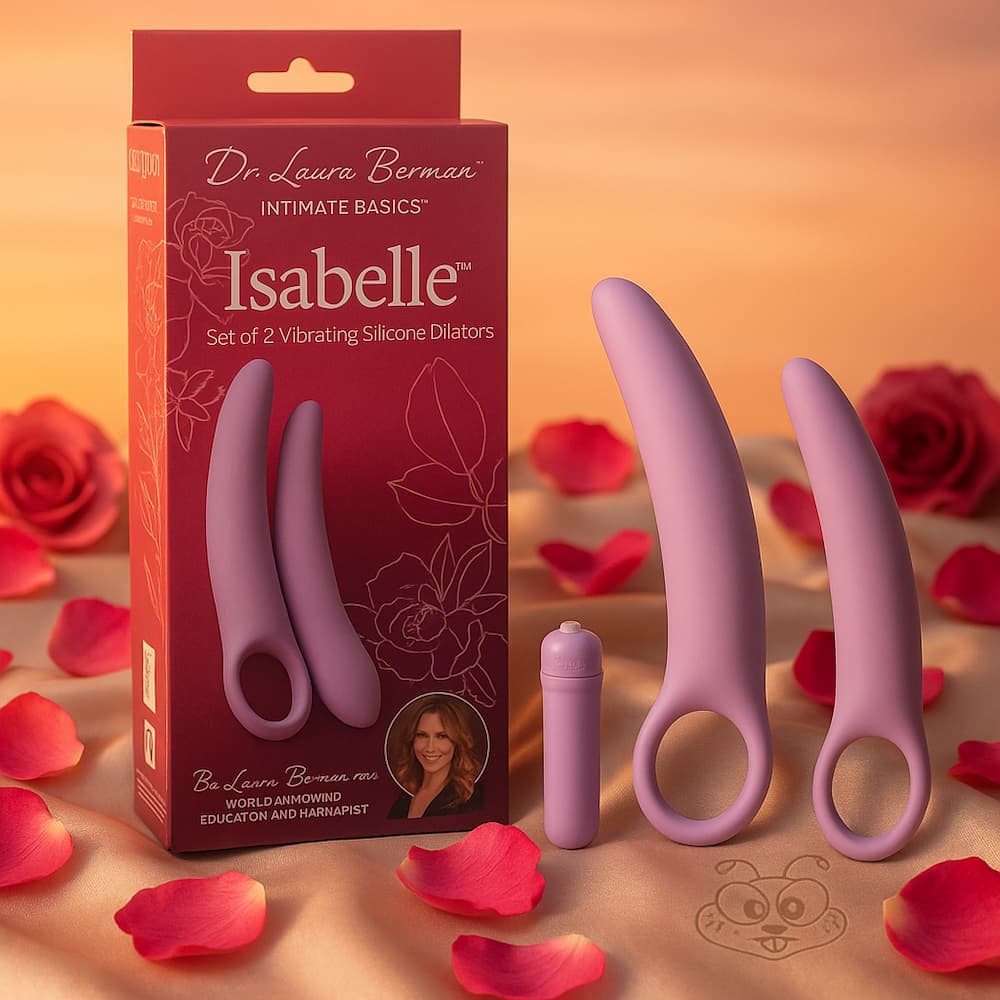
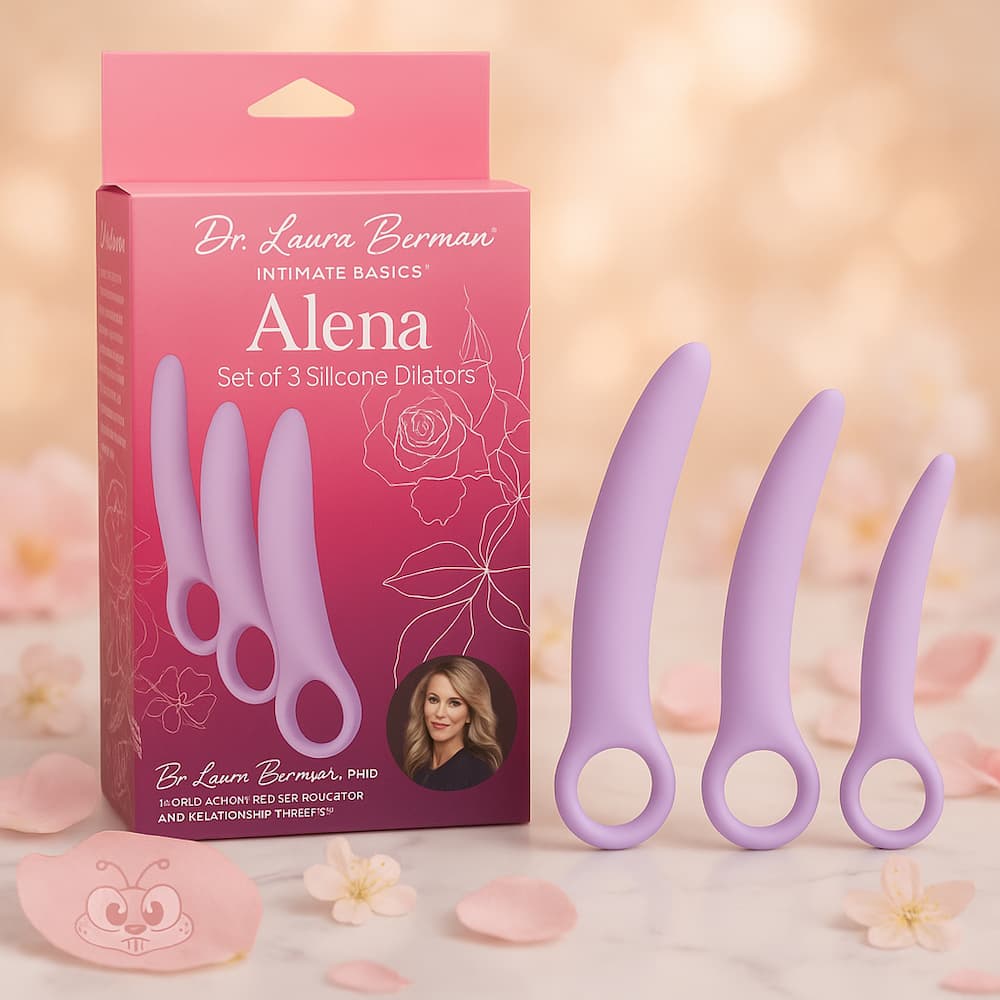
Dilators Are Therapy Tools, Not Pleasure Toys — and That Distinction Matters
A dilator is a smooth, tapered cylinder — usually silicone or rigid plastic — designed to be inserted into the vaginal or anal canal at a controlled pace to gently stretch tissue, relax involuntary muscle contractions, and retrain the body's response to penetration. Dilators are sold in graduated sets where each piece is slightly wider and sometimes slightly longer than the last, so the user can progress through sizes over weeks or months as their body adapts. The goal is not stimulation or orgasm. The goal is to make penetration — whether for sex, medical exams, tampon use, or any other purpose — comfortable where it was previously painful, difficult, or impossible.
This makes dilators fundamentally different from dildos, vibrators, or any other product in the adult toy section of this site. A dildo is designed for pleasure during use. A dilator is designed to change the baseline condition of the body over time so that future penetration — with a partner, a toy, or a medical instrument — becomes easier and less painful. The two products may look similar, but the intent, the pacing, and the way you use them are entirely different. If you are here because a healthcare provider recommended dilator therapy, you are in the right place. If you are looking for something to use recreationally, the dildos collection is a better fit.
What Conditions Dilators Help With
Dilators are prescribed or recommended by gynecologists, pelvic floor physical therapists, oncologists, and surgeons for a range of conditions where the vaginal or anal tissue has become tight, scarred, or reactive to touch. Vaginismus — the involuntary contraction of the pelvic floor muscles during attempted penetration — is one of the most common reasons people begin dilator therapy. The muscles clamp down reflexively, making insertion painful or impossible, and the anticipatory anxiety about that pain reinforces the cycle. Dilators interrupt that cycle by introducing gradual, self-controlled, non-threatening penetration that teaches the nervous system and pelvic floor muscles that insertion does not have to mean pain.
Dyspareunia (persistent pain during intercourse), vulvodynia (chronic vulvar pain), and provoked vestibulodynia (pain specifically at the vaginal opening) all respond to dilator therapy as part of a broader treatment plan. Post-surgical patients — after hysterectomy, pelvic reconstruction, vestibulectomy, or cancer treatment involving radiation to the pelvic region — use dilators to prevent the vaginal canal from narrowing as scar tissue forms during healing. Radiation therapy in particular can cause vaginal stenosis, where the walls of the vagina adhere and constrict, and consistent dilation is standard of care to maintain patency and elasticity during and after treatment. Menopausal vaginal atrophy — the thinning and drying of vaginal tissue caused by declining estrogen — can also make penetration painful, and dilators help maintain tissue flexibility alongside other treatments like topical estrogen.
Trans women who have undergone vaginoplasty use dilators as an essential part of post-operative care. The neovagina requires regular dilation — often multiple times daily in the early weeks, gradually decreasing in frequency over months — to maintain its depth and diameter as it heals. This is not optional but a required component of surgical recovery, and the dilator sets recommended by surgical teams are typically specific to vaginoplasty rather than general-purpose vaginal dilators. Always follow your surgeon's protocol for post-operative dilation.
How Dilator Therapy Works
The mechanism is both physical and neurological. Physically, the dilator gently stretches tissue that has become tight, scarred, or contracted. Consistent gentle pressure over time increases the elasticity of vaginal or anal walls, breaks down minor adhesions, and improves blood flow to tissue that may have become atrophied. Neurologically, the process of inserting a dilator at your own pace — starting small, staying in control, experiencing penetration without pain — gradually retrains the brain's association between penetration and danger. For someone with vaginismus, the pelvic floor muscles contract because the nervous system interprets attempted insertion as a threat. Dilator therapy systematically replaces that threat response with a neutral or positive one.
A typical session involves applying water-based lubricant generously to the dilator and the vaginal or anal opening, inserting the dilator slowly until mild pressure is felt (not pain), and holding it in place for 5 to 15 minutes while practicing relaxation breathing. Some protocols include gentle rotation or in-and-out movement. The session should never cause sharp pain — discomfort is expected at first, but pain means the dilator is too large, the angle is wrong, or the muscles are not ready. When a given size can be inserted and held comfortably without anxiety, it is time to progress to the next size. There is no fixed timeline for progression — some people advance through a set in weeks, others take months, and both timelines are normal.
Materials
Most dilator sets are made from either medical-grade silicone or rigid plastic. Silicone dilators — like the She-ology wearable set available here — have a slight give to them, making them more forgiving during insertion. They warm to body temperature, feel softer against tissue, and are less likely to cause discomfort if the angle shifts during use. Silicone is also non-porous, easy to clean with soap and water, and hypoallergenic. Rigid plastic dilators (like the Syracuse Medical style) have no flex — they provide a firmer, more consistent stretch and are the traditional clinical standard. Some people prefer rigid dilators because the firmness makes it easier to apply controlled pressure in a specific direction. Neither material is better in absolute terms; the best choice depends on your comfort level and your provider's recommendation.
Vaginal and Anal Dilators
Most dilator sets are designed for vaginal use, but the same principle applies to the anal canal. Anal dilators — sometimes called rectal dilators — are used to treat conditions like anal stenosis (narrowing of the anal canal), levator ani syndrome (chronic tension in the pelvic floor muscles surrounding the rectum), post-surgical tightness after hemorrhoidectomy or fistula repair, and pain with anal penetration. They-ology anal training sets, for example, are graduated silicone sets designed specifically for rectal dilation. The approach is the same as vaginal dilation: start with the smallest size, apply generous lubricant, insert slowly, hold in place, and progress when comfortable. Anal tissue is less elastic than vaginal tissue and lacks natural lubrication, so patience and lubricant are even more important.
Working With a Professional
Dilators are available without a prescription, and many people successfully complete dilator therapy at home on their own. But if you are new to this process, a pelvic floor physical therapist can make a significant difference in your outcomes. A pelvic PT can assess your specific muscle tension patterns, recommend the right starting size, teach you techniques for relaxation and insertion, monitor your progress, and adjust your protocol if you hit a plateau. Research consistently shows better outcomes when dilator therapy is guided by a professional rather than self-directed, especially for conditions like vaginismus where anxiety and the brain-body pain loop are major factors. If you are experiencing pelvic pain and are unsure where to start, asking your gynecologist for a referral to a pelvic floor therapist is a strong first step.