Accessories – Hats, Beanies, Sunglasses, Eyewear, and Finishing Pieces for Any Outfit
Accessories are the items that complete an outfit rather than forming its core. A t-shirt and jeans is a basic look. The same t-shirt and jeans with a fitted cap and a pair of sunglasses is a finished one. The difference is small in terms of garment count but significant in terms of how put-together the person wearing it appears — and more practically, how well-protected they are from sun exposure, cold weather, and glare. The best accessories pull double duty: they solve a functional problem (blocking UV, insulating the head, reducing eye strain) while simultaneously adding a visual element that ties the rest of the outfit together and expresses personal style.
Hats and Beanies
Hats and beanies are the most versatile accessory category because they serve completely different purposes depending on the season, the setting, and the style. In cold weather, a knit beanie retains body heat through the head — where a significant portion of heat loss occurs — and turns a winter outfit from functional to comfortable. In warm weather, a brimmed hat blocks direct sunlight from the face, scalp, and neck, reducing UV exposure and preventing the squinting and overheating that makes time outdoors less enjoyable. Year-round, a cap or hat adds a finishing element to casual outfits that makes the difference between looking dressed and looking put-together.
Baseball caps are the most universally worn hat style. The curved brim shades the eyes and upper face, the structured or unstructured crown fits a wide range of head sizes, and the adjustable back closure (snapback, strapback, or fitted) allows a customized fit. Baseball caps work with jeans, shorts, activewear, and casual streetwear without looking overdressed or underdressed in any of those contexts. Snapbacks use a flat brim and a plastic snap closure at the back, producing a more structured, streetwear-forward silhouette that pairs with urban and athletic styling. Dad hats are unstructured, low-profile caps with a curved brim and a relaxed crown that sits closer to the head — the most casual and laid-back cap style, popular across genders and age groups.
Bucket hats have a wide, downward-sloping brim that provides 360-degree sun coverage for the face, ears, and neck. They originated as functional outdoor and fishing hats and have cycled in and out of fashion as a streetwear staple, currently sitting firmly in the rotation of casual warm-weather accessories. Trucker hats combine a foam front panel (which holds a structured shape and displays graphics or logos well) with a mesh back panel that ventilates in hot weather — originally designed for outdoor work, now adopted as a casual and promotional hat style. Five-panel caps use a construction of five fabric panels (rather than the six of a baseball cap) and sit lower on the head with a shorter, flatter brim, producing a modern, streamlined silhouette popular in skate, surf, and cycling culture.
Beanies are close-fitting knit caps that cover the head and ears for warmth. Cuffed beanies have a folded-over brim at the base that adds an extra layer of insulation over the ears and provides a spot for branding or patches. Slouchy beanies have extra length in the crown that drapes or bunches at the back of the head for a relaxed, oversized look. Fisherman beanies (also called watch caps or dock worker beanies) sit higher on the head with a short, uncuffed fit that does not cover the ears — a style choice over a warmth choice, popular in streetwear and transitional-weather layering. Beanie materials range from acrylic (the most affordable, available in wide color ranges) to merino wool (softer, more breathable, better temperature regulation) to cashmere blends (the premium tier in softness and warmth-to-weight ratio).
Sunglasses and Eyewear
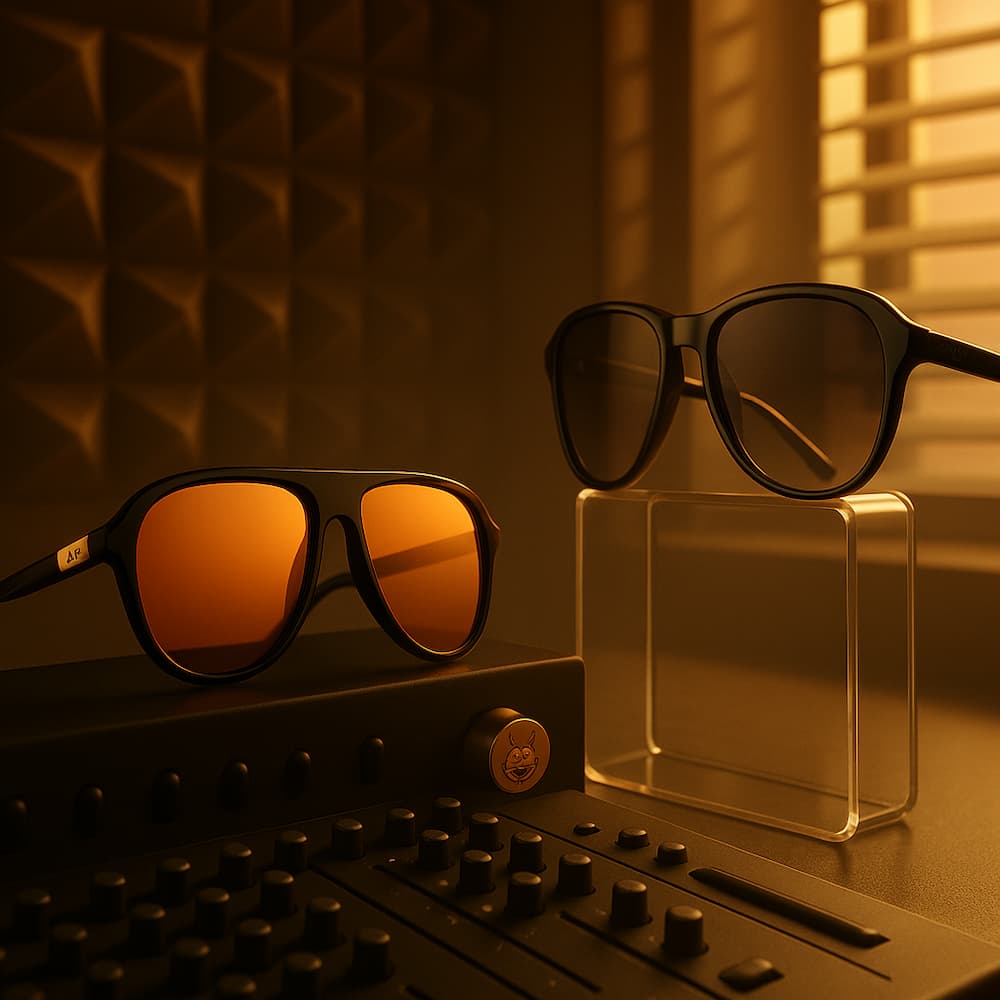
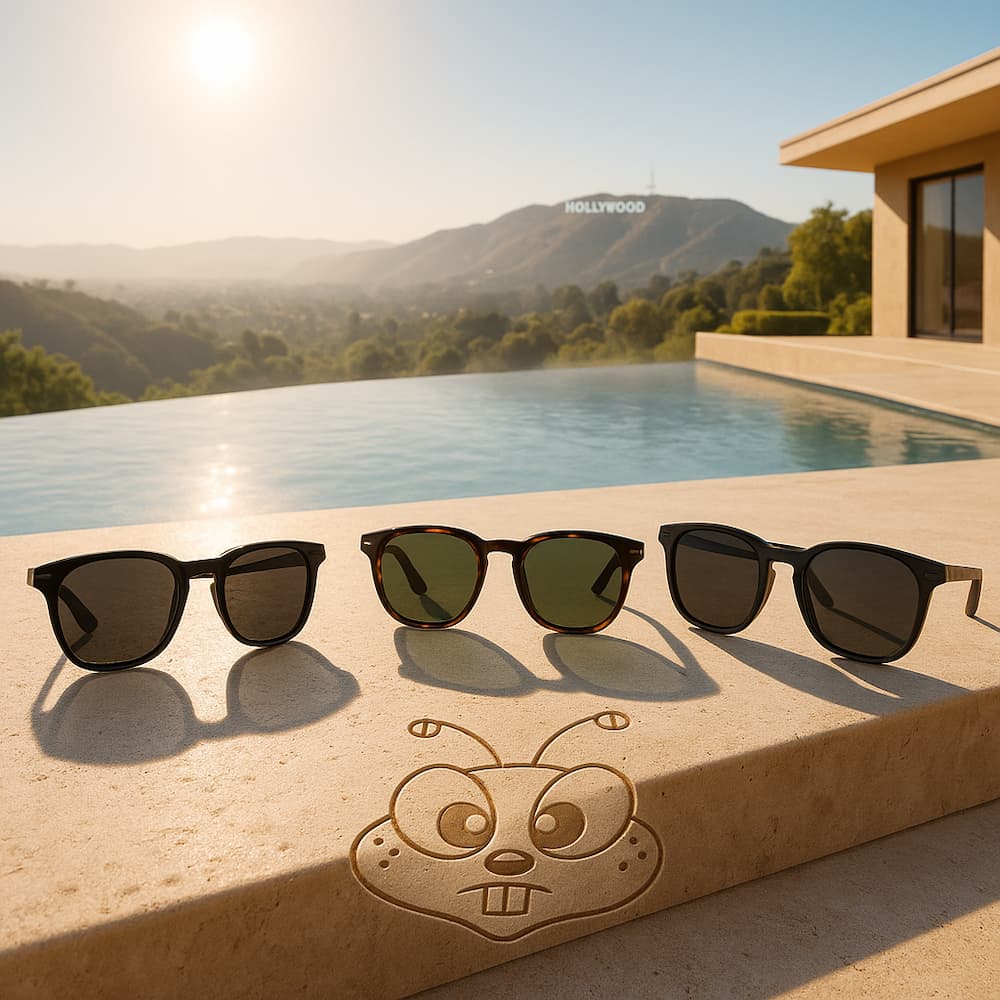
Sunglasses protect the eyes from ultraviolet radiation, reduce glare that causes squinting and eye fatigue, and serve as one of the most immediately noticeable style accessories on the face. UV protection is the functional baseline — sunglasses labeled UV400 or 100% UV protection block all UVA and UVB rays up to 400 nanometers, which is the standard that ophthalmologists recommend for preventing long-term UV damage to the cornea, lens, and retina. Wearing sunglasses without adequate UV filtering is worse than wearing no sunglasses at all, because the tinted lenses cause the pupils to dilate (letting in more light) without blocking the UV component of that light, increasing exposure to the exact radiation the sunglasses are supposed to prevent.
Polarized lenses add a filter that blocks horizontally oriented light waves — the specific wavelength pattern that creates glare off flat reflective surfaces like water, pavement, snow, and car hoods. Polarized sunglasses dramatically reduce glare in outdoor environments, making them the preferred choice for driving, fishing, water sports, and any activity where reflected glare impairs visibility. Standard tinted lenses darken the overall light entering the eye but do not selectively filter glare, which means they reduce brightness without improving visual clarity in high-glare conditions.
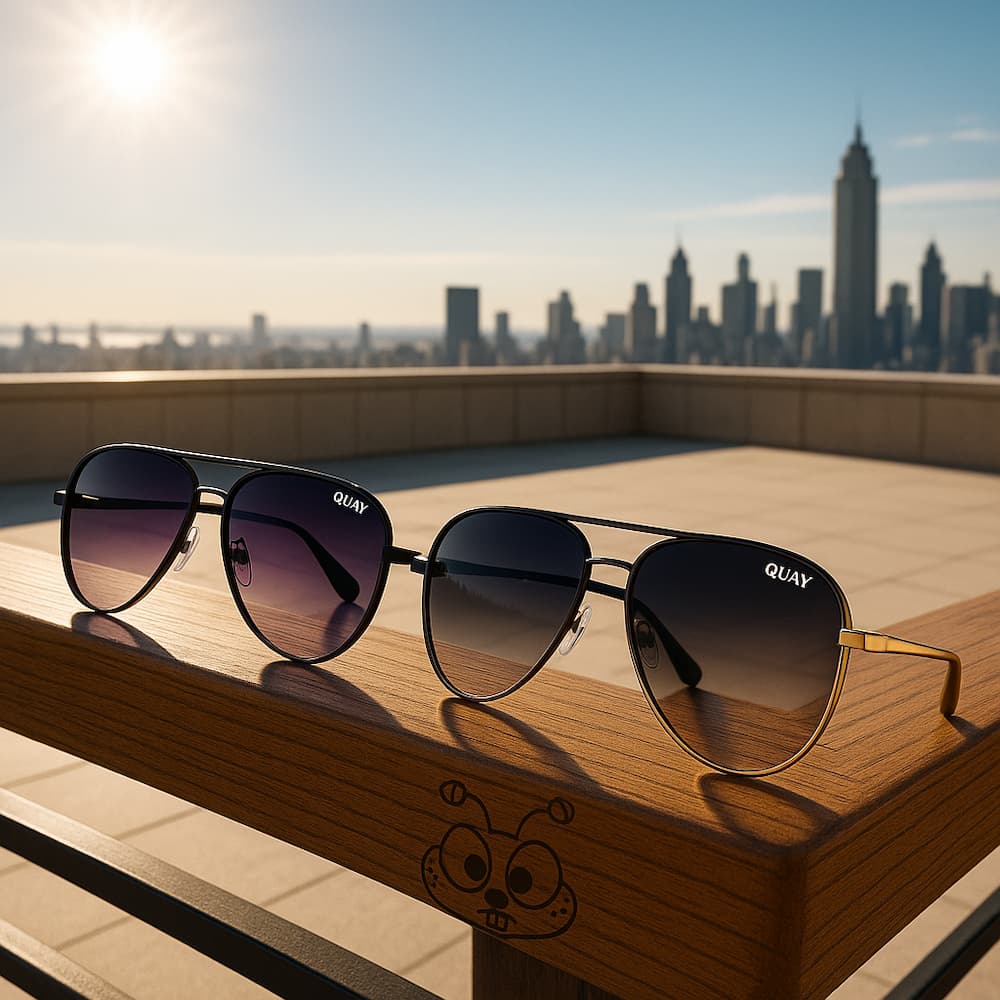
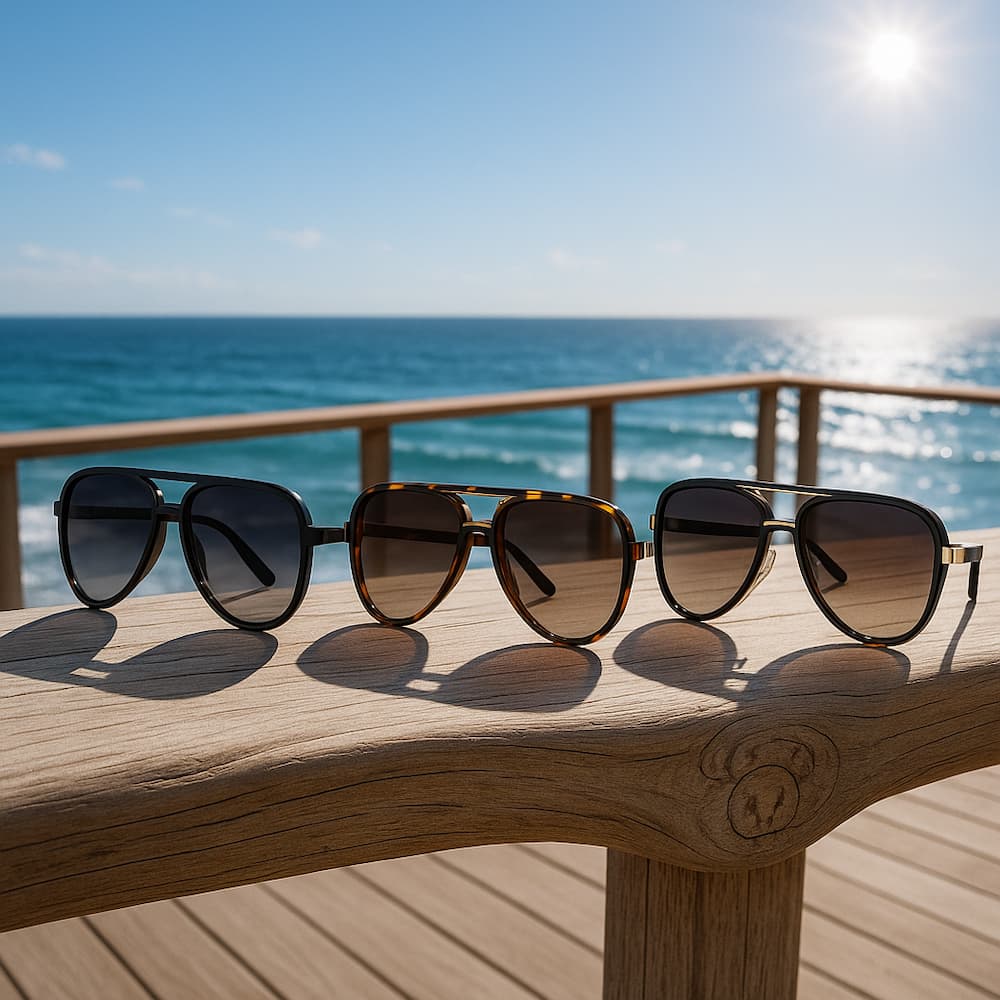
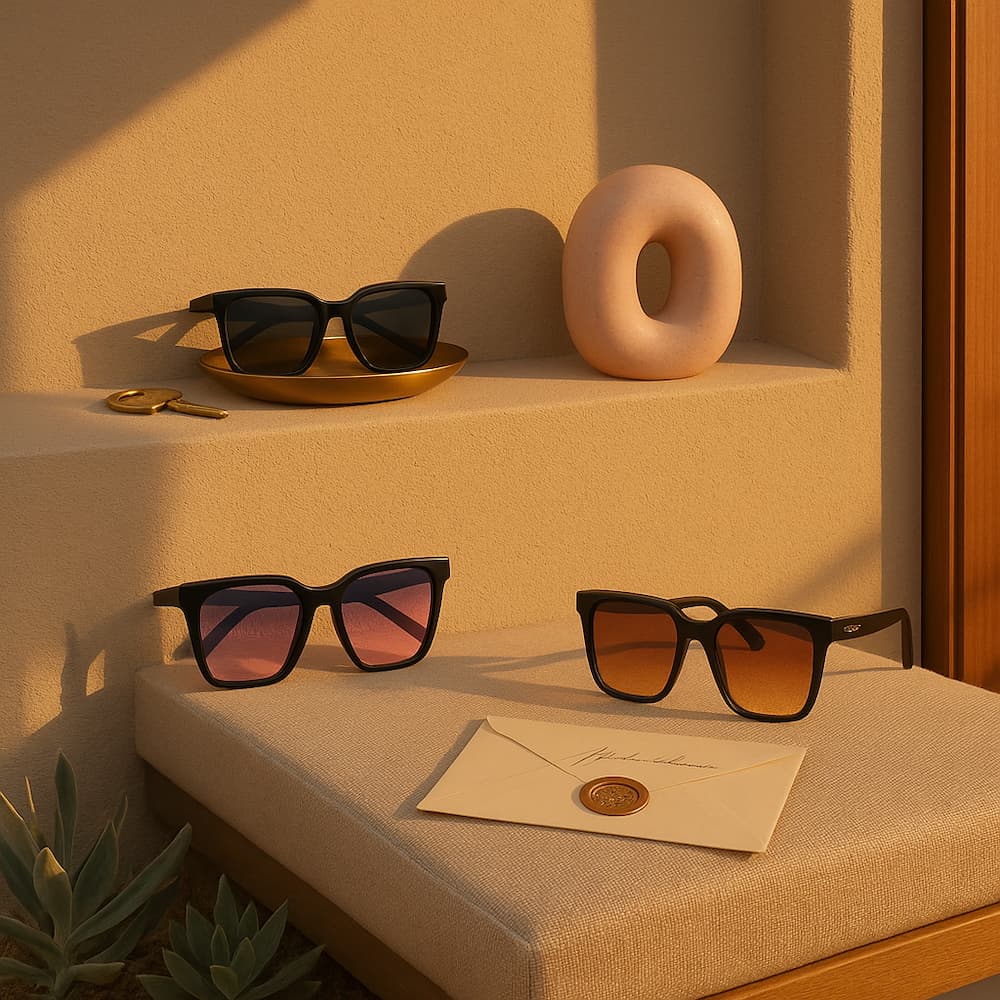
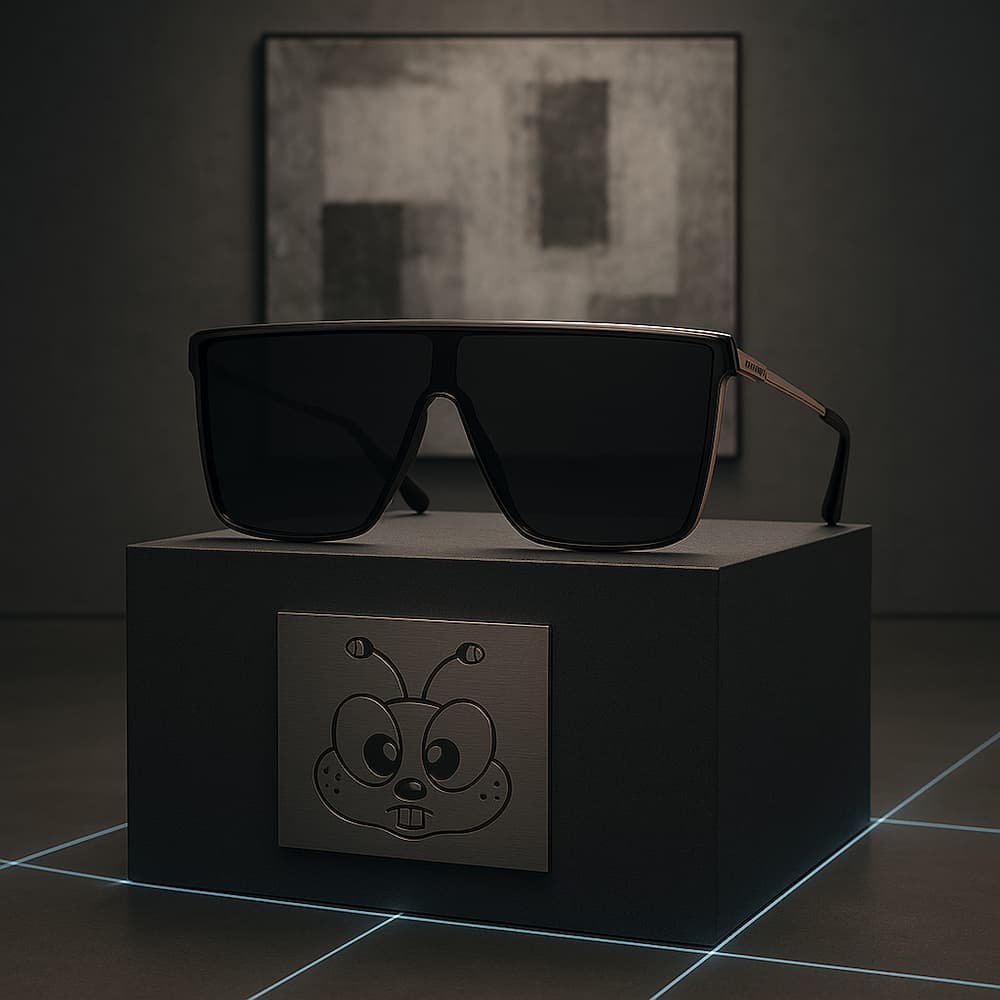
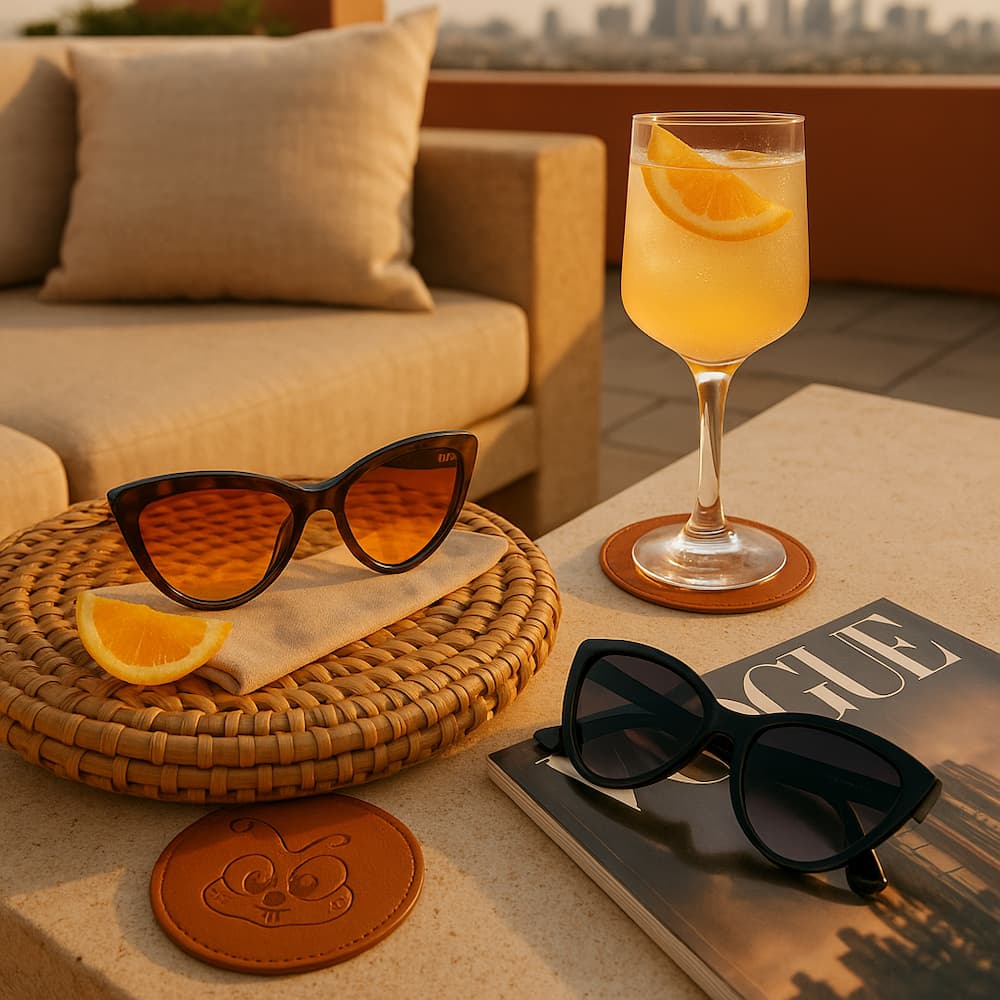
Frame shape affects both style and function. Aviators have a teardrop-shaped lens with a thin metal frame, originally designed for pilots and now one of the most enduring unisex sunglasses styles. Wayfarers use a thick, trapezoidal plastic frame with a slightly angled design that flatters a wide range of face shapes and has been a wardrobe staple since the 1950s. Round frames produce a retro, intellectual aesthetic that works best on square and angular face shapes where the curved frame provides contrast. Cat-eye frames angle upward at the outer corners, creating a feminine, vintage-inspired silhouette that accentuates cheekbones. Square and rectangular frames project a structured, modern look that balances round and oval face shapes. Oversized frames provide maximum facial coverage and a bold, fashion-forward presence that dominates the upper face. Sport and wraparound frames curve around the sides of the face to block peripheral light and wind, providing the most complete eye protection for outdoor athletics, cycling, and high-exposure environments.
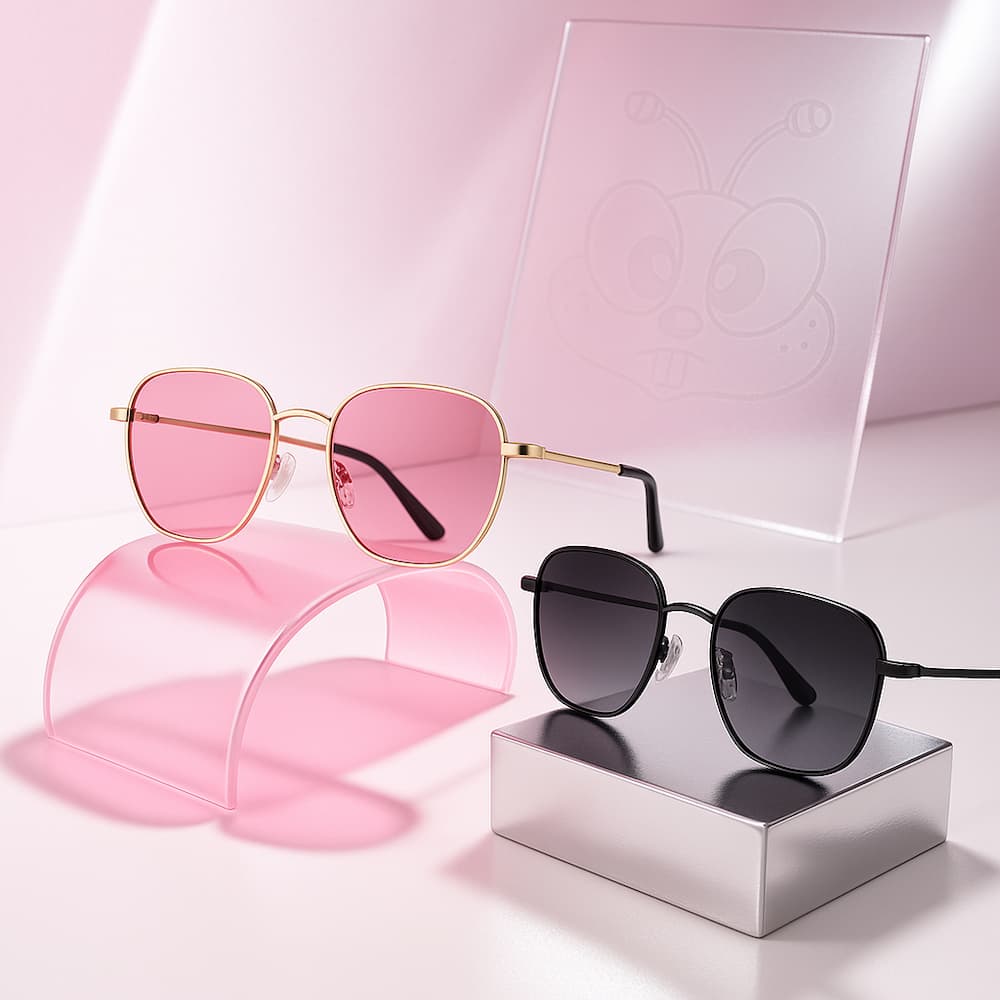
Lens color affects how the world looks through the sunglasses. Grey lenses reduce overall brightness without distorting color perception — the most neutral option for everyday wear. Brown and amber lenses enhance contrast and depth perception, making them popular for driving and outdoor activities where distinguishing terrain features matters. Green lenses balance contrast enhancement with color accuracy. Yellow and rose lenses brighten the visual field in low-light and overcast conditions, improving depth perception in flat light — useful for skiing, cycling in cloudy weather, and indoor sports. Mirrored coatings reflect light away from the lens surface, reducing glare and adding a visual style element to the exterior of the lens.
Choosing Accessories by Outfit and Season
Accessories should match the context of the outfit rather than being added generically. A structured snapback and a pair of mirrored aviators anchor a streetwear look built around a graphic tee and joggers. A relaxed dad hat and classic wayfarers finish a weekend outfit of jeans, a crew neck tee, and sneakers. A cuffed merino beanie and polarized sport frames handle a cold-weather hike or a ski trip. A wide-brim bucket hat and oversized sunglasses manage a beach day, an outdoor festival, or a long afternoon in the sun. The accessories change the tone and the protection level of the outfit without requiring any change to the clothing underneath.
For the clothing these accessories pair with, women's t-shirts and tank tops are the casual base layers that hats and sunglasses complete. For activewear-focused outfits, leggings paired with a sport cap and wraparound sunglasses handle outdoor workouts where sun protection and glare reduction improve both comfort and performance.