Foreskin Covers That Restore What Circumcision Took Away
Circumcision removes the foreskin — the double-layered fold of tissue that naturally covers and protects the glans (head) of the penis. Without that covering, the glans is permanently exposed to friction from clothing, bedding, and air. Over years, the body responds to this constant exposure through keratinization: the mucosal surface of the glans builds up a layer of toughened, dry skin to protect itself, similar to how a callus forms on a foot. That protective layer comes at a cost — it dulls the nerve endings beneath it, reducing the sensitivity that the glans was designed to have. Many circumcised men do not realize how much sensation they have lost because keratinization happens so gradually that the reduction feels normal.
Foreskin restoration reverses this process by covering the glans again. When the glans is consistently protected — whether by newly grown skin or by a silicone cover — the keratinized layer is no longer needed. The body stops reinforcing it, and the tough outer layer gradually sheds. Underneath, the original mucosal tissue reemerges: softer, smoother, more responsive to touch. This dekeratinization process begins within weeks of consistent coverage and continues to improve over months. The result is a glans that is measurably more sensitive than it was while exposed — not equivalent to an intact foreskin, but a significant improvement from the baseline.
Oxballs Moreskin: Three Shapes for Different Preferences
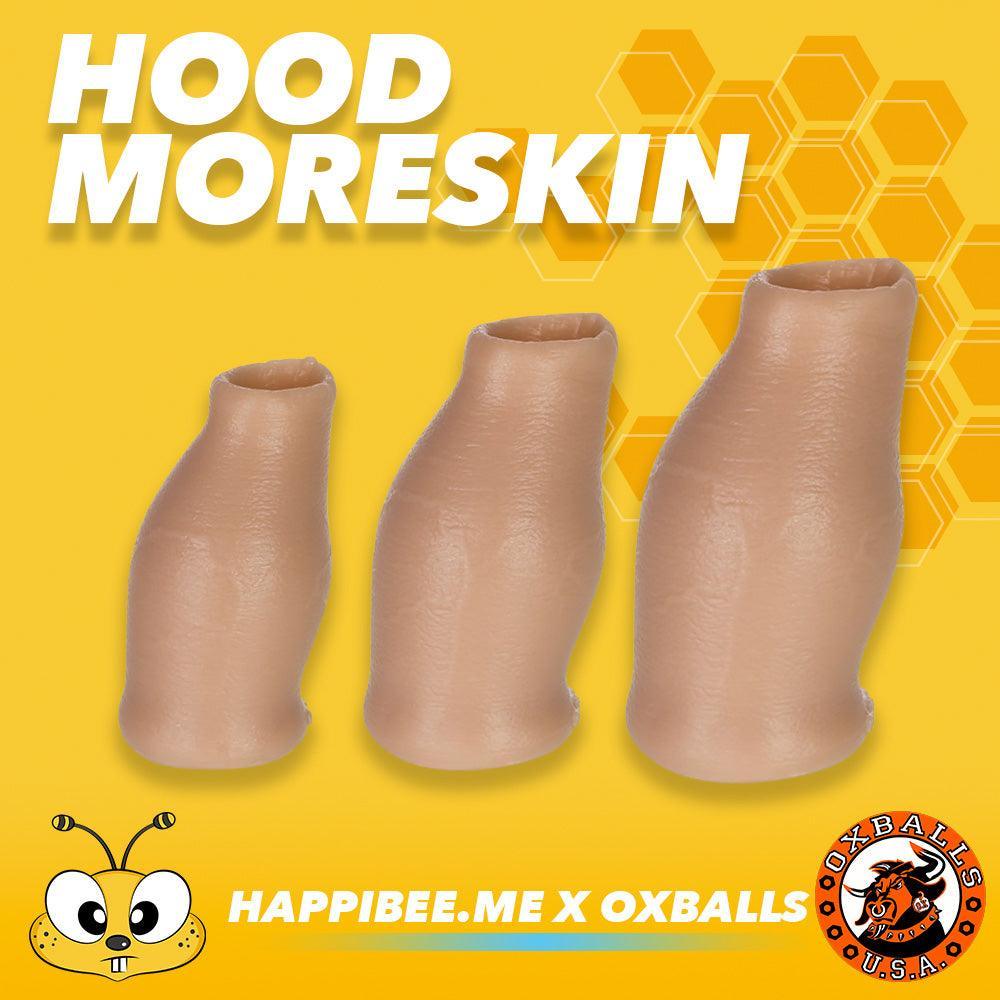
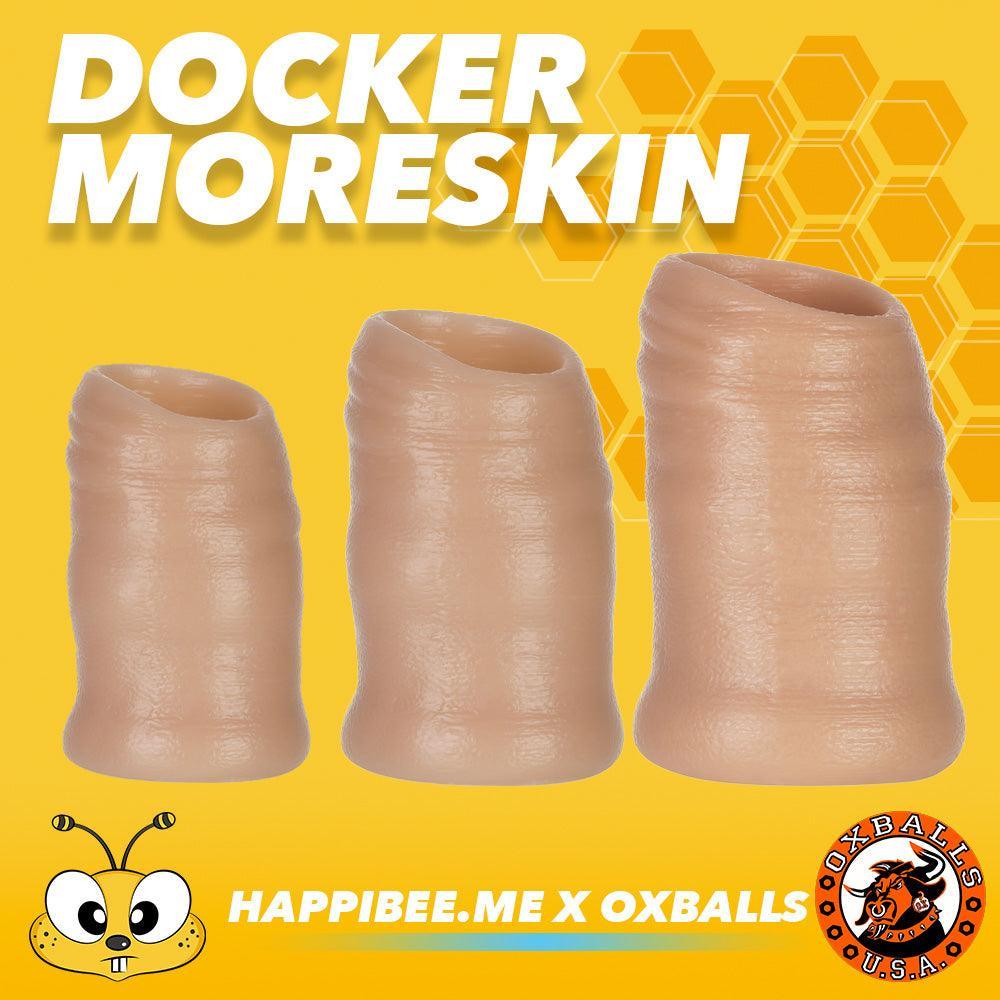
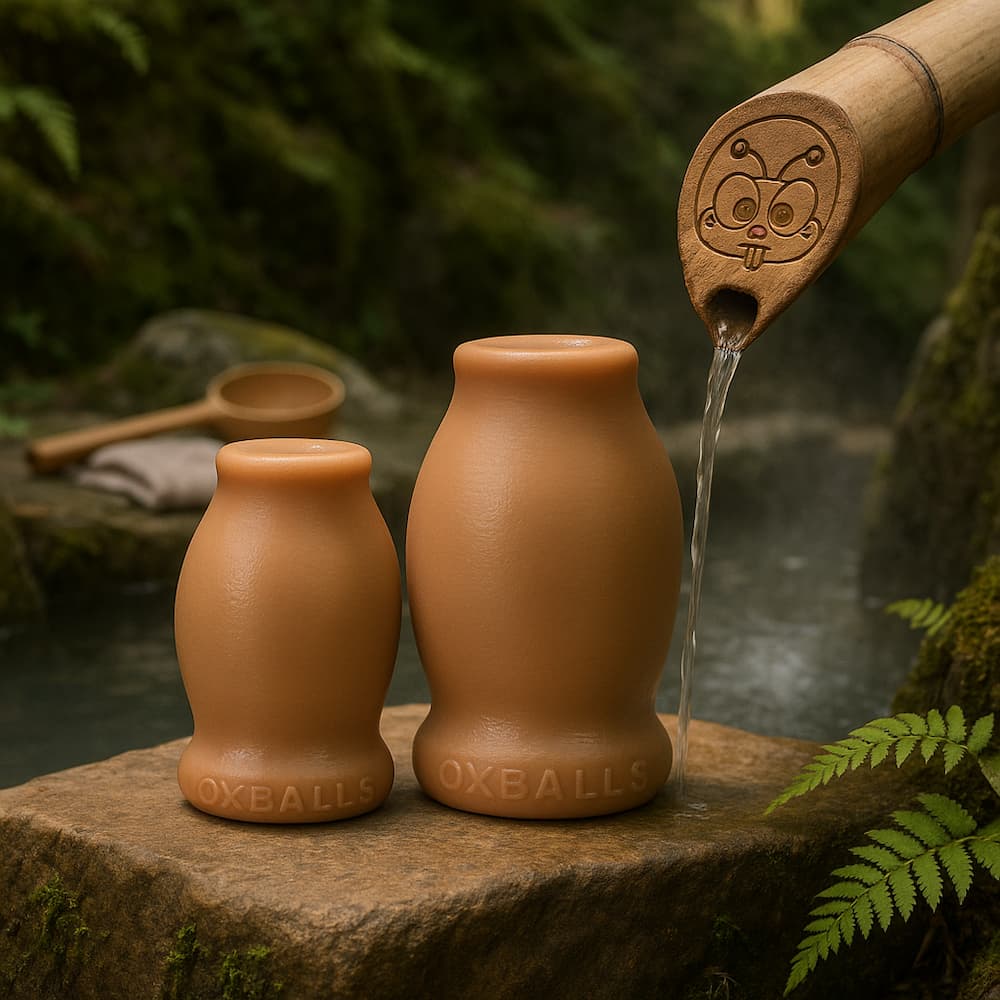
Oxballs offers a line of foreskin covers made from soft, stretchy Pure Platinum Silicone that gently hug the head of the penis. Their Moreskin series — available in styles like the Hood, Docker, and Bell — lets you choose your ideal fit and coverage. Each set includes two pieces: a smaller sheath for when the penis is erect and a larger one for when it is flaccid, so you have the right fit for both states. All three styles are available in Small, Medium, and Large to accommodate different anatomies.
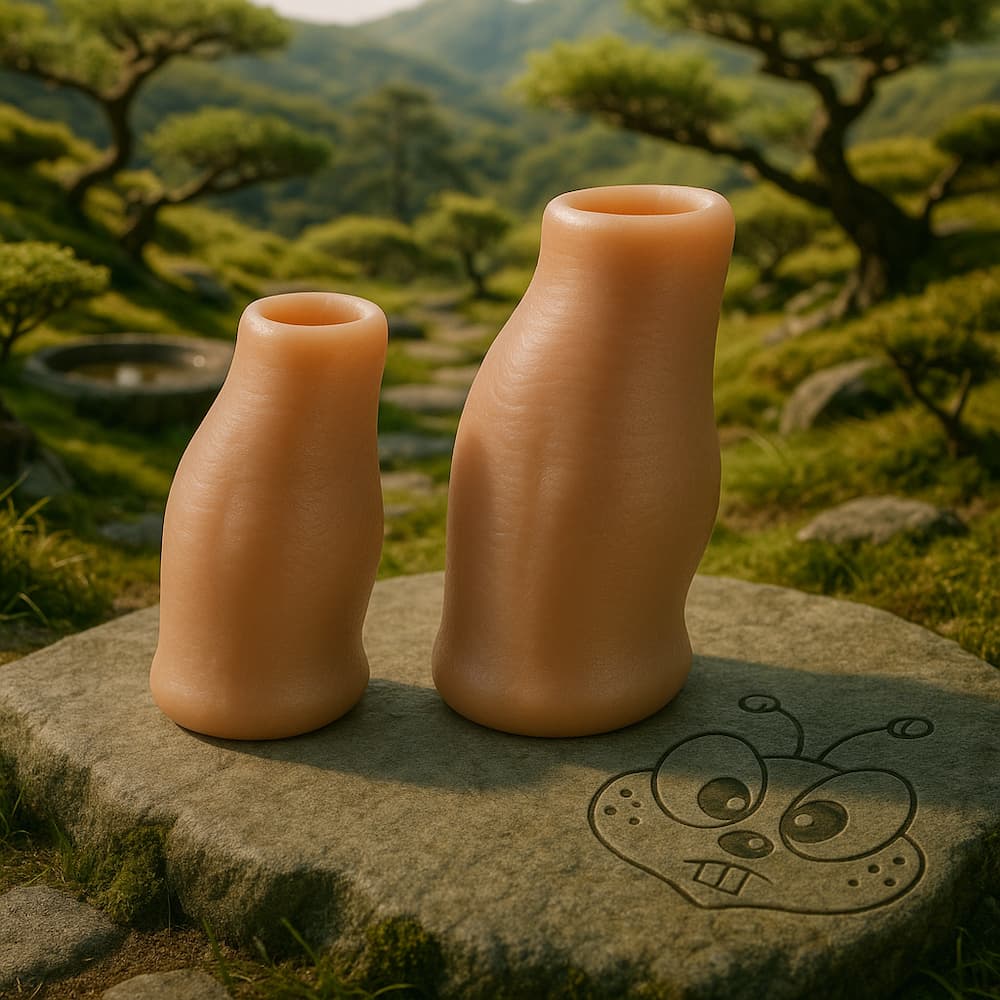
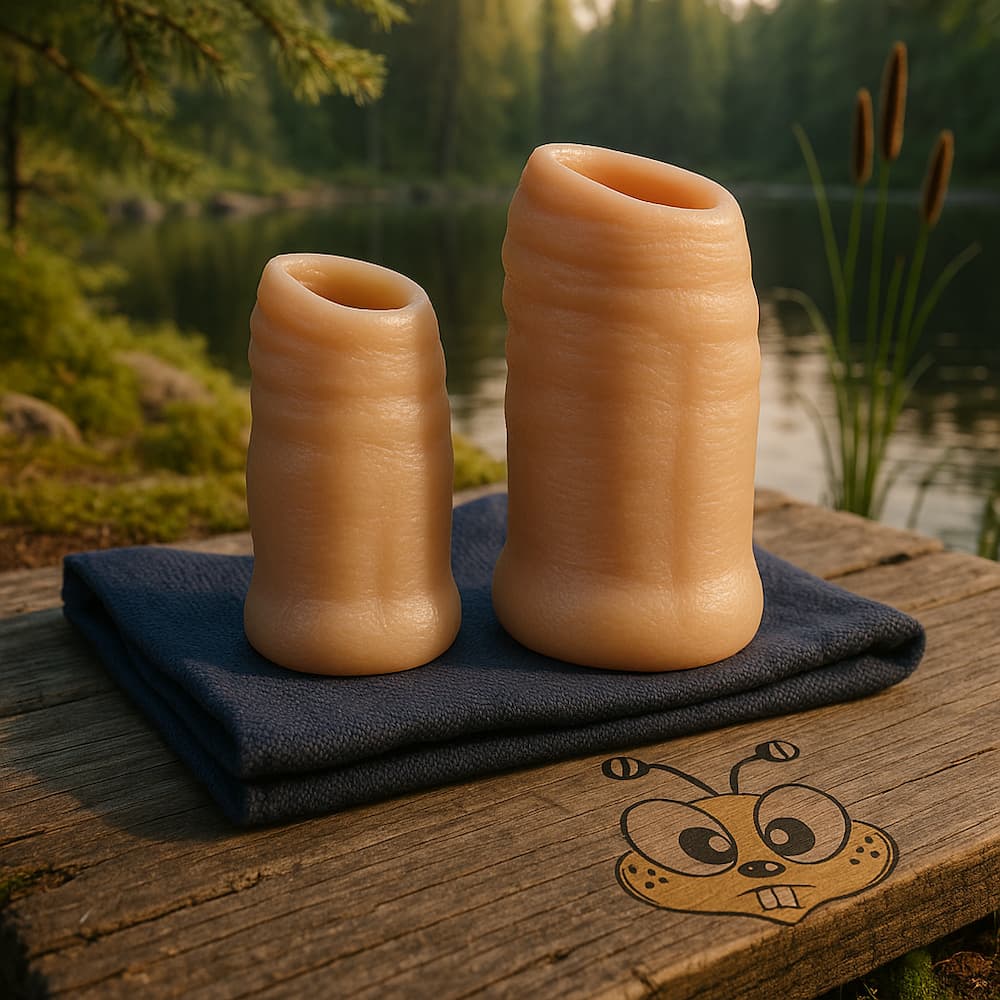
The Hood has a drooping, naturally tapered shape that closely mimics the way an intact foreskin hangs over the glans when the penis is soft. It looks realistic under clothing and provides full glans coverage with a gentle, non-constricting grip. The Docker follows a similar philosophy but with a slightly different cut — it wraps the glans with a design that sits flush rather than hanging, giving a lower-profile fit that some people find more comfortable for daily wear under fitted underwear. The Bell has a rounded cup shape that gently cups the glans rather than draping over it, offering a snugger fit with a different visual profile. All three are made from the same body-safe platinum silicone — non-porous, easy to clean with soap and water, and durable enough for months of daily use without degrading.
Choosing between the three styles is largely a matter of personal comfort and aesthetics. Some men prefer the realistic look of the Hood. Others prefer the lower-profile Docker for work or physical activity. The Bell appeals to people who want a more contained, secure fit. There is no functional difference in terms of dekeratinization — all three cover the glans, and all three do the job of protecting the mucosal surface from friction.
Covers vs. Active Restoration Devices
The Moreskin covers are retainers — they protect the glans and support dekeratinization, but they do not actively grow new tissue. If your goal is to create enough new skin that your own tissue covers the glans without a device, you need an active restoration method that applies sustained gentle tension to the shaft skin, triggering mitosis (cell division) and causing the skin to gradually lengthen. Active methods include manual tugging techniques, tape-based systems, and dedicated tension devices like the TLC Tugger or DTR that are worn for hours daily over a period of months to years.
Moreskin covers complement active restoration in two ways. First, they provide immediate glans protection from day one — you do not have to wait months or years for enough skin to grow before your glans can start dekeratinizing. Second, they serve as retainers during non-tugging hours: when you remove your tension device for sleep, exercise, or any other activity, the cover keeps the glans protected so the dekeratinization process is never interrupted. Many men in active restoration wear a tension device during the day and switch to a Moreskin cover at night, maintaining 24-hour coverage.
For men who are not pursuing active tissue expansion — who simply want the sensitivity benefits of a protected glans without committing to a multi-year tugging regimen — the covers work on their own as a standalone product. Wearing a Moreskin daily provides the dekeratinization benefits regardless of whether you are also growing new tissue.
What Restoration Can and Cannot Do
Foreskin restoration — whether through covers, tugging, or both — can restore glans sensitivity through dekeratinization, recreate the gliding and rolling motion of slack skin during sex and masturbation (if enough tissue is grown), improve comfort by eliminating friction between the glans and clothing, and address the cosmetic appearance of coverage. What it cannot restore are the specialized structures that circumcision permanently removes: the ridged band (the sensitive, elastic ring at the tip of the intact foreskin), the full frenulum (the connective tissue on the underside of the glans — often partially or fully removed during circumcision), and the complete nerve network of the original foreskin. The restored or covered glans is more sensitive than an uncovered one, but it is not identical to an intact penis. Setting this expectation honestly matters, because the improvements are real and meaningful — but they are improvements from a reduced baseline, not a full return to the pre-circumcision state.
Getting Started
If you are new to foreskin restoration, the simplest entry point is wearing a Moreskin cover daily. Clean and dry the penis, stretch the cover gently, and slide it over the glans. It should sit snugly without pinching — if it feels too tight, try the next size up. Wear it throughout the day under your normal underwear and remove it for bathing, sex, and urination. Wash the cover with warm water and mild soap after each use, and let it air dry. Within a few weeks of consistent daily wear, you should notice the glans surface becoming smoother and more responsive to touch as the keratinized layer begins to thin.
If you want to pursue active tissue expansion alongside covering, the broader male toys section of this site does not currently carry tension devices — those are available from specialized restoration suppliers — but the Moreskin covers serve as the retention and protection component of any active restoration program. The online foreskin restoration community is large, well-organized, and welcoming to newcomers, with organizations like NORM (National Organization of Restoring Men) offering guidance, support, and resources for people at every stage of the process.
The Emotional Side
Foreskin restoration is not just a physical project. For many men, the decision to restore comes from a place of grief, frustration, or anger about a procedure that was performed on them without their consent. Those feelings are valid and common — large surveys of restoring men consistently report that the process of taking action helps ease the negative emotions associated with having been circumcised. The physical improvements matter, but so does the sense of agency: choosing to change something about your own body, on your own terms, can be a powerful form of reclamation. If the emotional weight of circumcision feels heavy, you are not alone in carrying it, and pursuing restoration — at whatever pace and with whatever method feels right — is a legitimate and increasingly mainstream response.