


Magic: The Gathering
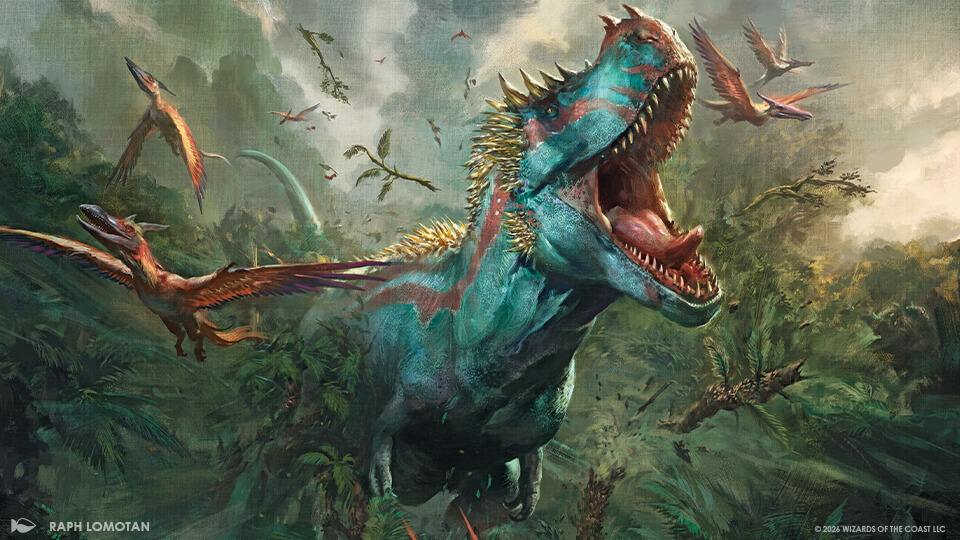
Make room for something colossal.
Discover Foundations Commander, then find the format that fits your table.
Inside the Commander announcement ↗New discoveries, growing collections and something you can’t wait to try.
The hobby brief
01 / Beyond the headlines
The card table / Collect · Play · Discover
A favourite character. A clever combo. The people across the table. There is more than one way in.
Magic: The Gathering
Discover Foundations Commander, then find the format that fits your table.
Inside the Commander announcement ↗Pokémon / An anniversary worth opening
 Explore the anniversary collection ↗
Collect a favourite Pokémon, follow an artist, or start with a set you love. Give your collection a story of its own.
One Piece / Under the spotlight
What the Mihawk restriction means for the next deck you take to the table.
Read the restriction report ↗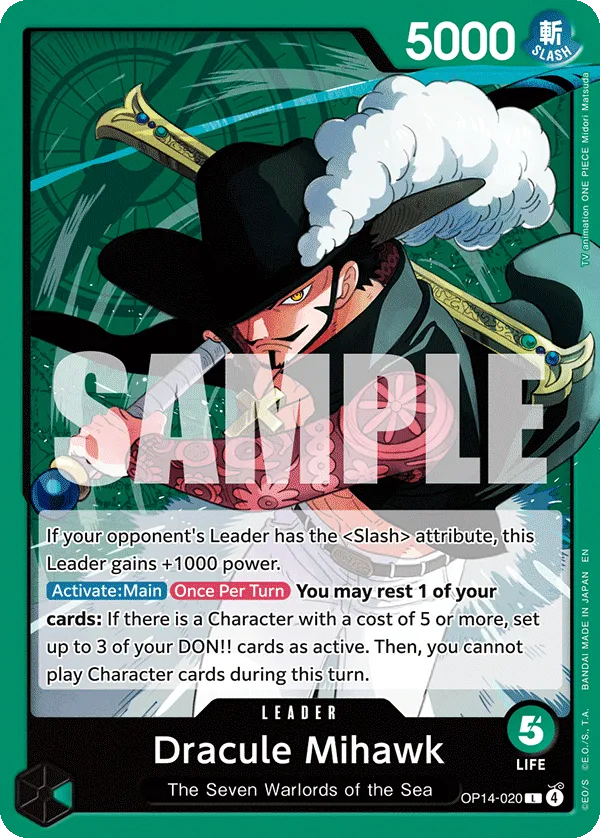
Before the next game
Use the official starting points below. Rules and permitted cards depend on the game and format.
 Learn · Play · Connect
Familiar faces. Fresh possibilities.
 Learn · Play · Connect
Big ideas for your next deck.
 Learn · Play · Connect
Your next duel starts here.
Bricks, miniatures and models worth making room for.
Brick by brick
Fresh releases, remarkable displays and the people who make a pile of bricks into something unexpected.

Official first look / Dragon Ball
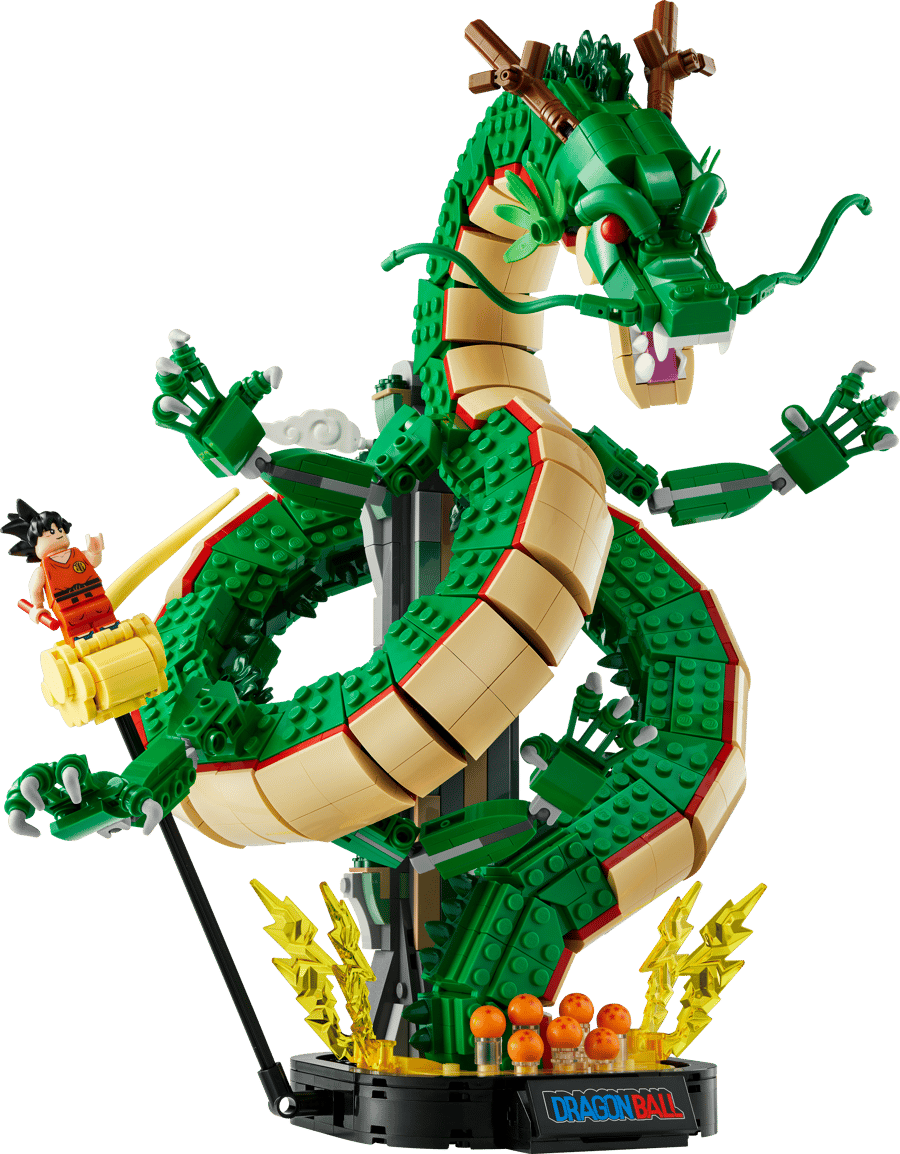
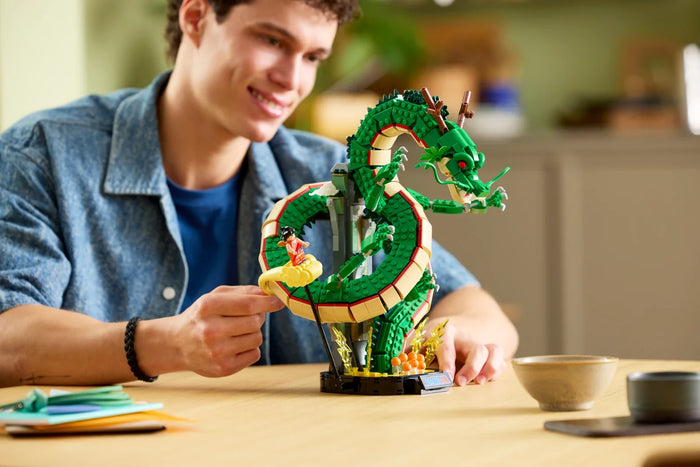
Follow the green coils to the dragon’s face, then find tiny Goku below. The 1,764-piece display arrives November 4.
Explore the build ↗Photography · The LEGO GroupThe display cabinet / New & on the way
A little nostalgia

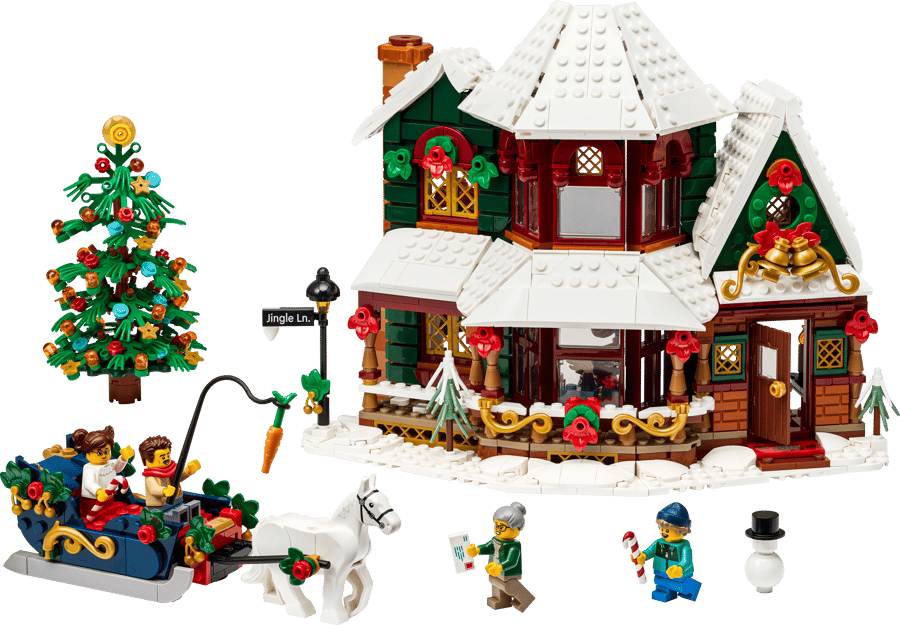
A winter tradition
A legendary display
A cheerful small build
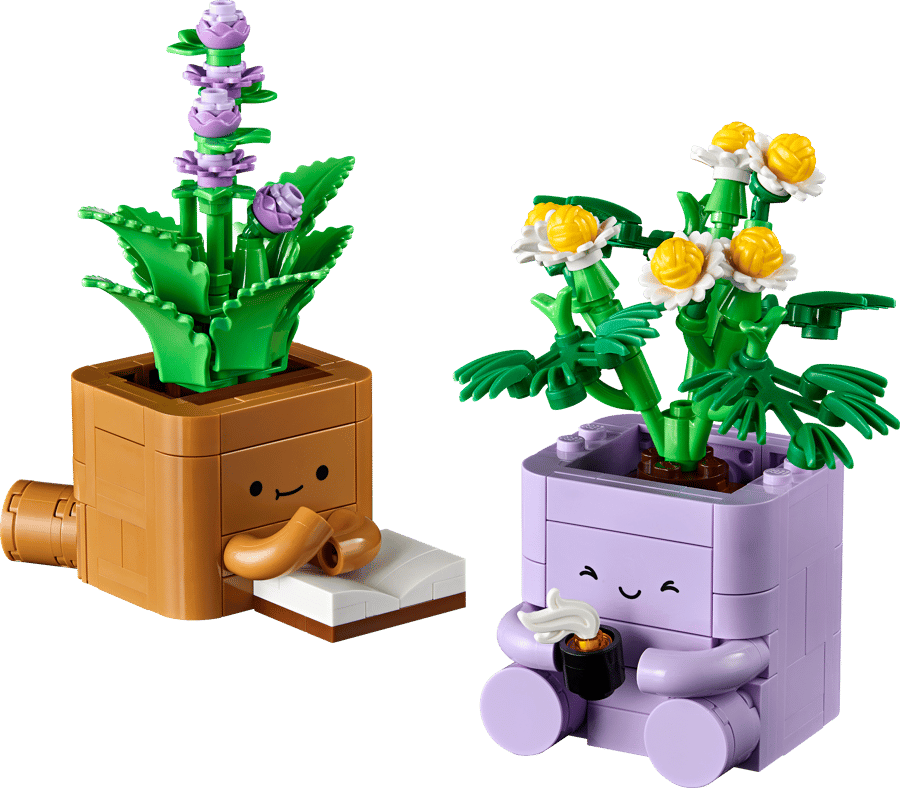
Discover the details and purchase directly from LEGO.com.
In the conversation
The new PlayStation model turns a familiar console into a display piece. For a collection built around games, it offers a different direction from another character or vehicle.
See the console build ↗Community / LEGO Ideas
Explore fan proposals, see how builders solve tiny architectural problems and follow a project that makes you look twice.
Explore the Ideas community ↗Out of the display case
Fan exhibitions are a chance to explore ambitious layouts, talk to their makers and come home with a new idea for your own table.
Browse the fan-event calendar ↗Models, miniatures & the worlds around them
Build the character. Paint the details. Give it a world to belong to.

Warhammer / collect · paint · play
A favourite faction, a handful of colours and one model to make your own. Start there; the army can come later.
Explore Warhammer Academy
Gundam / Gunpla
From the first snap-fit assembly to panel lines and custom colours: Gunpla has room for both a relaxed build and a serious project.
Explore Entry Grade kits Bandai’s assembly guide
At the painting desk
Highlights, eyes and basing: the Warhammer painting team tackles the questions that come up when the brush gets small.
Read the team’s painting advice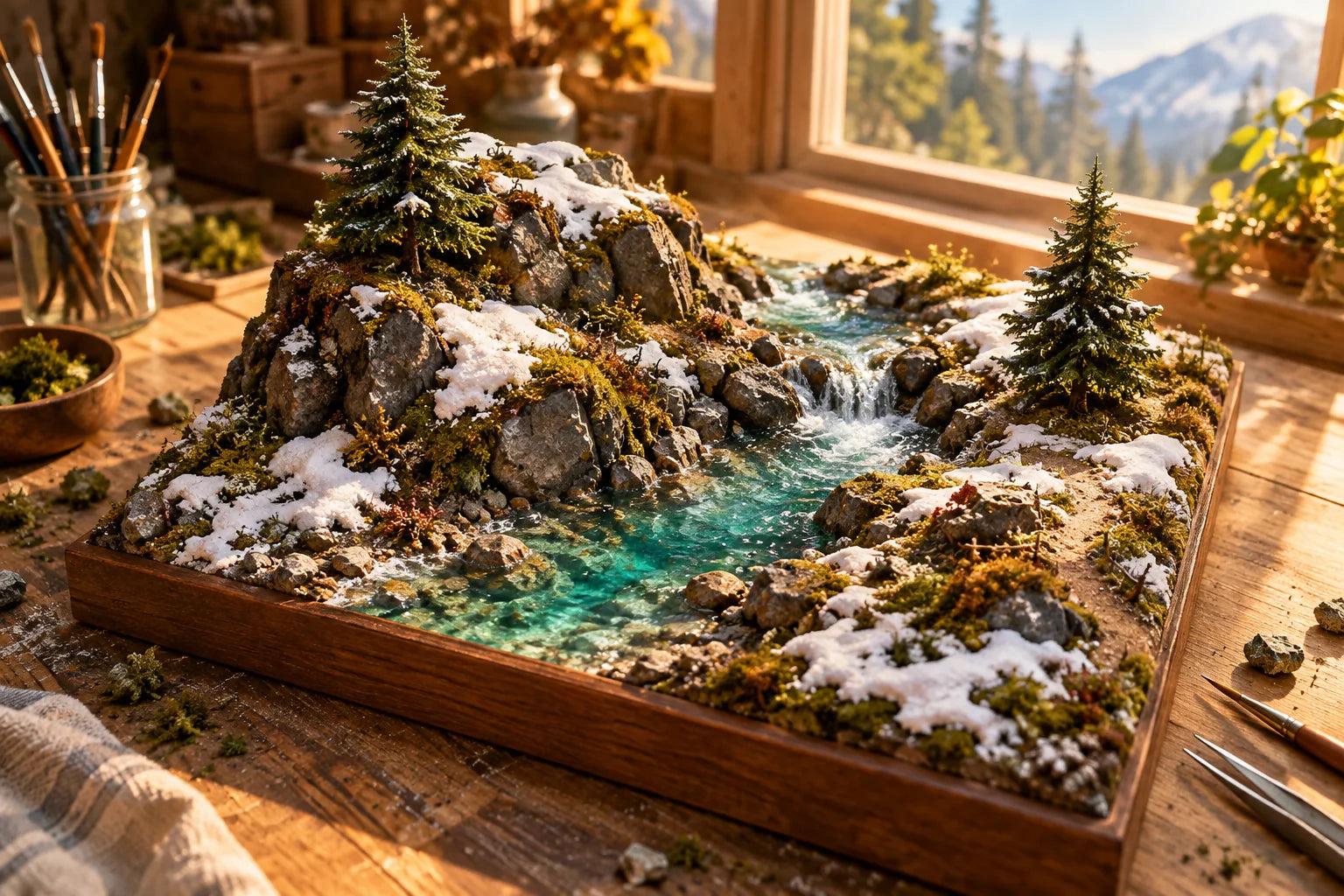
SMALL WORLDS / ON THE BENCH
A stream, exposed ground, the last patches of snow. Work from the shape of the scene to the details that give it a sense of place.
Explore the melting-snow project ↗Colour, clay, thread and paper. Pick a material and begin.
The open studio / painting & drawing
One bloom, one sky, one page in a sketchbook. Find a subject that makes you want to pick up a brush.

Try this / watercolour
Transparent washes, deeper layers and a few lifted highlights turn a simple flower study into something worth keeping.
On watercolour paper, sketch three loose petal shapes lightly. Brush a pale wash inside one shape, leaving a sliver of dry paper for a highlight. Let it dry, then add a smaller, deeper wash near the base. Repeat beside it and compare the layers.
Start on a scrap of watercolour paper. A single petal is enough to practise light, colour and edges.
Make three bands of colour on pastel paper: dark, middle and light. Blend only where the bands meet, then leave a few crisp strokes on top. Notice how a small light mark changes the whole study.
Make a row of colour swatches. Below each one, mix a little of its neighbour into it. Label your mixes so you can return to a colour you like.
Brush a thin layer of water-based printing ink onto a printing plate, press a textured object into it, then lift a print with suitable paper. The marks left behind are part of the fun.

Clay / hand-building · pottery · texture
The curve of a little bowl. The press of a thumb. Clay keeps a record of the way you make it.
Press a thumb into a ball of air-dry clay, then turn and gently pinch the walls. Keep this first piece decorative and follow the clay maker’s drying instructions.
A beginner class gives you the wheel, clay and help with centring. Ask what glazing and firing are included before choosing a session.
Try a texture: a gentle fingertip pattern, a soft brush mark, or the edge of a leaf.
Watch a pot take shapeSmall projects / wood · beads
A satisfying place to begin, without turning every interest into a major project.
Woodworking / start with the finish
Use a pre-cut wooden blank. Smooth the edges with sandpaper, following the grain. Mask one stripe, paint it, then choose a finish intended for coasters and follow its drying directions.
Wood blank · sandpaper · masking tape · paintJewellery making / find a rhythm
Arrange beads before threading. Try blue, cream, coral, cream; repeat it twice. Swap just the coral for another colour and see how the whole bracelet changes.
Start with a bead layout; choose cord and a closure to suit it.
African Flower · Part 13 · HobbyPop
HobbyPop / crochet notebook / creator shorts
A flower, a tiny bee, a strawberry. Watch HobbyPop turn small motifs into the pieces of a growing crochet project.
Choose a motif and watch it here.
Watch the original on YouTube ↗Cross-stitch turns a grid into a picture. Work both diagonals of each square, keeping the top stitches facing the same way.
Try the heart above on a small piece of Aida fabric.Running stitch: bring the needle up and down along a line, leaving a small gap between stitches. Try a border or a winding stem.
Satin stitch: place straight stitches close together across a small shape. Try a leaf before filling a larger motif.
Paper craft / An idea with depth
A tunnel book turns flat paper into a tiny stage. Pull this woodland scene apart to see where the depth comes from.
One sheet / a little origami break
One paper square → one corner bookmark. A few folds, no glue or cutting.
Start with a 15 cm paper square. Fold corner to corner; turn the long edge towards you.
Fold each bottom corner up to the top point. Press, then open those two folds.
Fold only the front top point down to the centre of the bottom edge. Leave the back layer up.
Bring both side corners up again. Fold each free tip down into the front pocket.
Flatten gently. Turn the pocket towards the page and slip it over a corner.
Plants, photography and the things you notice along the way.
The growing corner / plants · terrariums · little gardens
A glass garden on a shelf. A pot by the window. Something new to notice every time you pass.
Choose a spot first, then a plant that suits it. A closed terrarium belongs in bright, indirect light, away from hot direct sun.
Small, slow-growing tropical plants suit a closed glass garden. Check their mature size; leave space between them.
Look for new leaves and condensation. A closed terrarium needs very little water; avoid leaving the soil waterlogged.

Pick a starting point
Use a small container with drainage and suitable seed-starting mix. Follow the packet for sowing depth, light and temperature. Label the date, then watch for the first pair of leaves.
Keep its name and care label. Check the light it prefers and feel the potting mix before watering. Take one photo each week to notice new growth.
Sketch a leaf, record when a seed sprouts, or draw the shape of a new shoot. A date and one sentence are enough to begin.
The field notebook / photography · nature journaling
A phone camera is enough. Choose one subject, then find three pictures inside it: the setting, the pattern and the smallest detail.

Leave room around your subject. Let the surroundings tell part of the story.
Fill the frame with rhythm: repeating leaves, shadows or shapes.
Move closer, then check the focus. Find one small thing you missed.
Draw the outline of a leaf. Add its colour, the place and the date. You are practising noticing; the drawing can be simple.
Watch from a distance. Notice its size, beak and behaviour, then jot down the colours you see. Leave nests and resting birds undisturbed.
A good book, a clear night and a little room to wonder.
THE READING ROOM / OCTOBER 2026
A little romance, a familiar favorite, or an idea that stays with you. See which book catches your eye.

J. K. Rowling

Ali Hazelwood
Jane Austen

James Clear

Dale Carnegie
Stephen R. Covey
After dark / astronomy · moon watching
Start with the Moon. Look for its bright highlands and darker patches, then return another evening and notice what has changed.
Open NASA’s Daily Moon GuideYou can begin with your eyes. Binoculars reveal more detail when you are ready.
Sketch the lit shape and note the date and time. Compare it with your next clear night.

A little cosmic curiosity / Just for fun
October 6 / Your creative horoscope
Aries: Let a burst of curiosity start something small. Try the first fold, stitch or sketch today; the finished masterpiece can wait.
Little discoveries
A few invitations to try something different. No new room, elaborate setup or big commitment required for every hobby.
Music / a little rhythm
Tap four steady beats. Clap on the second and fourth. Keep the pulse going, then try a different pattern over it.

Tinkering & technology
Watch James Bruton experiment with a tentacle robot, or explore 3D printing below.
Watch the experimentOpen an interest for a quick starting point.
Save one small moment: a sentence, a quick sketch, or a ticket from your day. Put the date beside it. A journal can start with a single line.
Try sorting one small cluster by pattern instead of colour. A window, a face or a patch of sky can be a satisfying first target.
Repeat one simple shape across scrap paper. Change only the spacing: neat rows, scattered marks, then a border.
Start by comparing colour, scent and mould ideas. Use a beginner method and materials designed for the craft when you move on to making.
Watch a maker, find a technique, or keep reading.
Watch someone make something
From the first brushstroke to the final reveal. Find a maker, a technique or your next rabbit hole.
Loading the video collection…
The hobby reading room
Practical guides for your collection and workbench, plus the releases worth a closer look.
Guides & projects
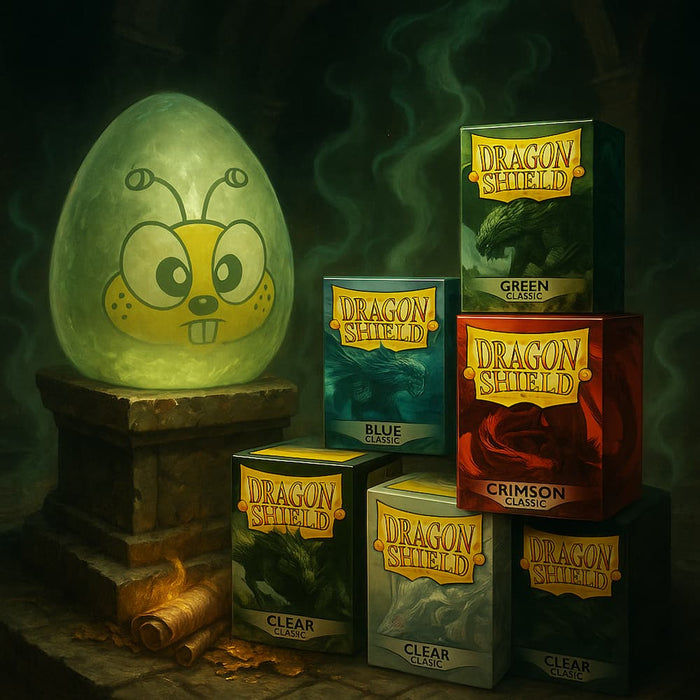
Find sleeves that fit the cards you collect, from standard sizes to smaller formats.

Guides & projects
Choose the right approach for a still pond, shallow puddle or moving water in a miniature scene.
News & releases
Take a closer look at Shenron and Goku, the display details and the new LEGO release.
Guides & projects
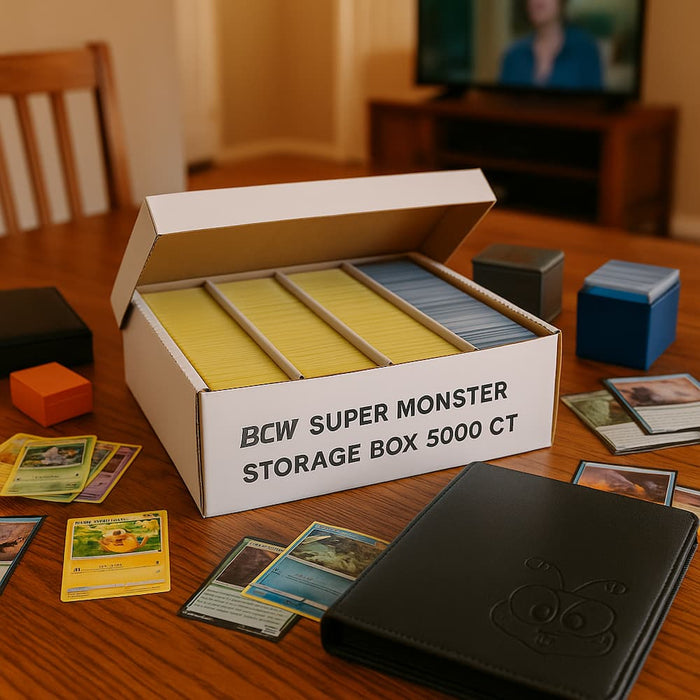
Choose between a binder and a storage box based on how you want to enjoy your collection.
Guides & projects
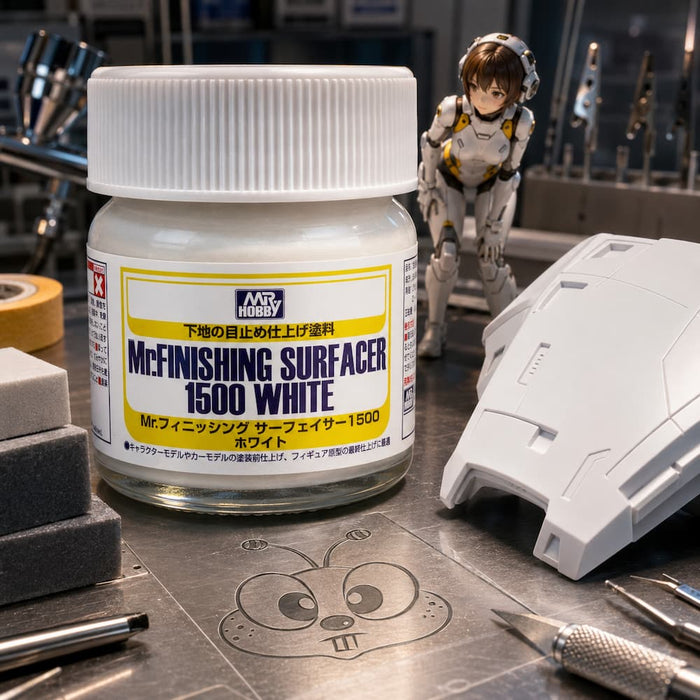
Explore where paint markers can help with small details and finishing miniature models.
Guides & projects
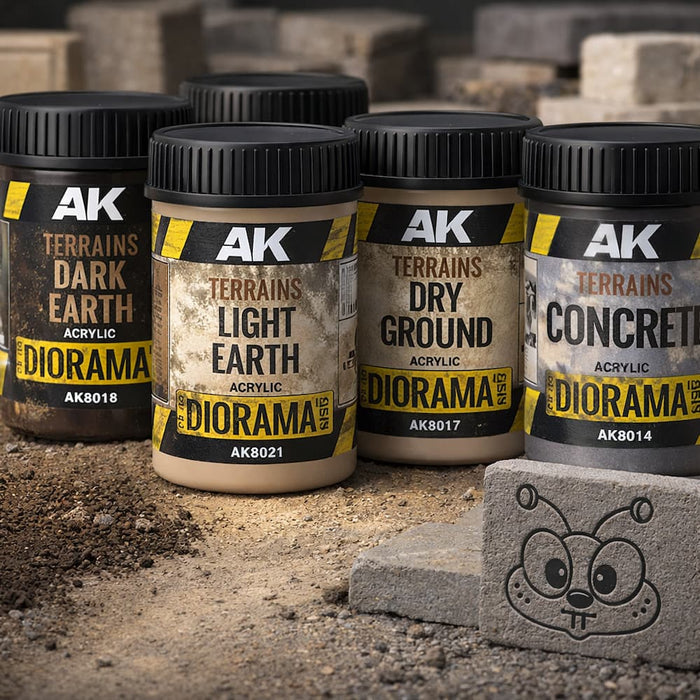
Decide how much of a world you want to build around your miniature.
Guides & projects
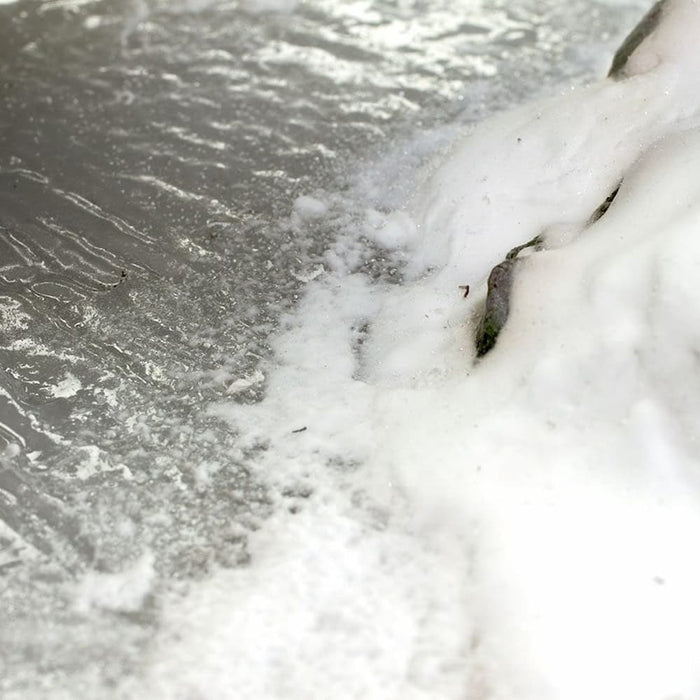
Add a touch of winter to a miniature base with melting snow effects.
Guides & projects
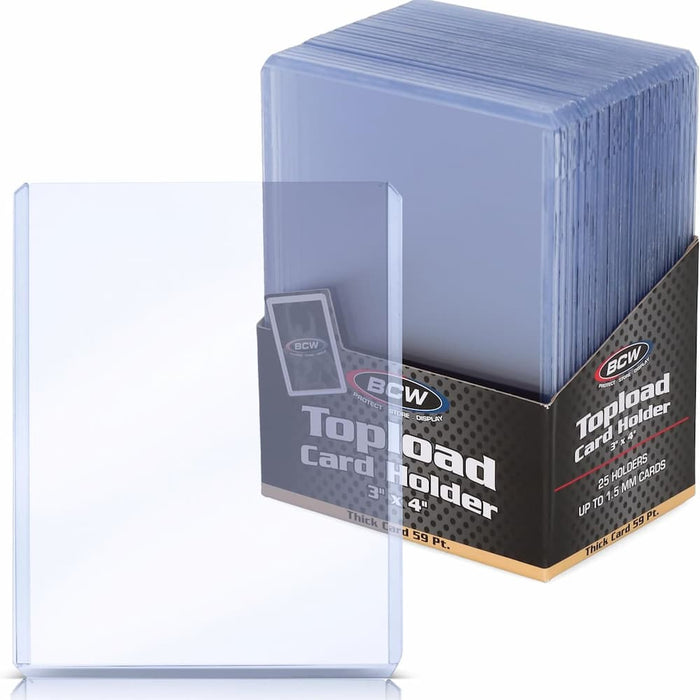
Give thicker collectible cards the right protection without forcing a tight fit.