Nipple Clamps, Suckers, and Vibrating Toys for Focused Sensation
Nipples are one of the most nerve-dense areas on the body — packed with sensory receptors that respond to pressure, temperature, vibration, and pain. For many people, nipple stimulation alone can produce a level of arousal that rivals direct genital contact, and a significant number of people can reach orgasm from nipple play without any other stimulation at all. The products in this collection exist to target that concentrated nerve network with more precision, more intensity, and more variety than fingers and mouths can sustain on their own. Clamps apply steady pressure. Suckers draw blood to the surface. Vibrating toys add oscillation. Each mechanism triggers a different set of receptors, and combining them creates layered sensation that builds rather than plateaus.
Nipple toys are also one of the most gender-neutral categories in this store. Nipple anatomy is functionally identical across all bodies — the nerve pathways, the erectile tissue within the nipple, and the sensitivity response to pressure and suction do not vary by sex or gender. These products work on any nipple, and the people who use them span every demographic. The only variable is individual sensitivity, which ranges from people who find a light brush almost painfully intense to people who need firm clamping pressure to register sensation at all. That range is what makes adjustability the single most important feature in a nipple toy.
Clamps: How Pressure Creates Sensation
A nipple clamp works through two mechanisms simultaneously. First, it applies direct pressure to the nerve endings in the nipple, producing a pinching sensation that the brain processes on a spectrum from stimulating to painful depending on the force applied. Second, it restricts blood flow through the clamped tissue. While the clamp is on, the nipple gradually numbs as circulation decreases. When the clamp is removed, blood rushes back into the tissue and triggers a flood of oxytocin — the same hormone associated with orgasm. That removal moment is often more intense than the clamping itself, and timing the removal to coincide with orgasm or near-orgasm amplifies the effect dramatically.
Tweezer clamps are the best starting point for anyone new to nipple clamping. They look like a pair of metal tweezers with rubber-tipped ends and a small sliding ring that moves up or down the shaft to adjust tension. Sliding the ring toward the tips increases the clamping force; sliding it toward the handles loosens it. This infinite adjustability means you can start at barely-there pressure and increase in tiny increments as the session progresses and the nipples warm up. Tweezer clamps are lightweight, inexpensive, and versatile enough to also be used as clitoral clamps — the same adjustable mechanism works on any small tissue fold.
Alligator clamps (also called clothespin-style clamps) use a spring-loaded hinge with serrated jaws, similar to a small electrical clip. The jaws are usually tipped with rubber or vinyl pads to prevent the metal serrations from contacting the skin directly. Tension is adjusted with a small screw that limits how far the jaws can close. Alligator clamps have a smaller grip area than tweezer clamps, which concentrates the pressure on a tighter point — more intense per square millimeter. They are better suited to smaller nipples and to people who have already established their tolerance with tweezer clamps and want to escalate.
Clover clamps (also called butterfly clamps) are a flat, spring-loaded design of Japanese origin where the clamping force increases when the chain or cord attached to the clamp is pulled. This self-tightening mechanism means the wearer cannot reduce the pressure by pulling away — tugging makes it grip harder. Clover clamps are not adjustable and produce a high baseline pressure. They are advanced tools designed for experienced players who already know their nipple tolerance and want a clamp that punishes movement. In BDSM contexts, clover clamps are commonly used in predicament bondage — the clamp chain is attached to a fixed point so the wearer must hold a specific position to avoid increasing tension on their nipples.
Magnetic clamps sandwich the nipple between two strong magnets. The pressure is determined by the magnet strength and cannot be adjusted — you get what the magnets give. They produce a firm, constant squeeze similar in intensity to clover clamps but without the self-tightening feature. Magnetic clamps are compact, discreet (they resemble non-piercing nipple jewelry), and can be worn under clothing for extended low-level stimulation outside of a scene.
Suction Toys: Drawing Blood to the Surface
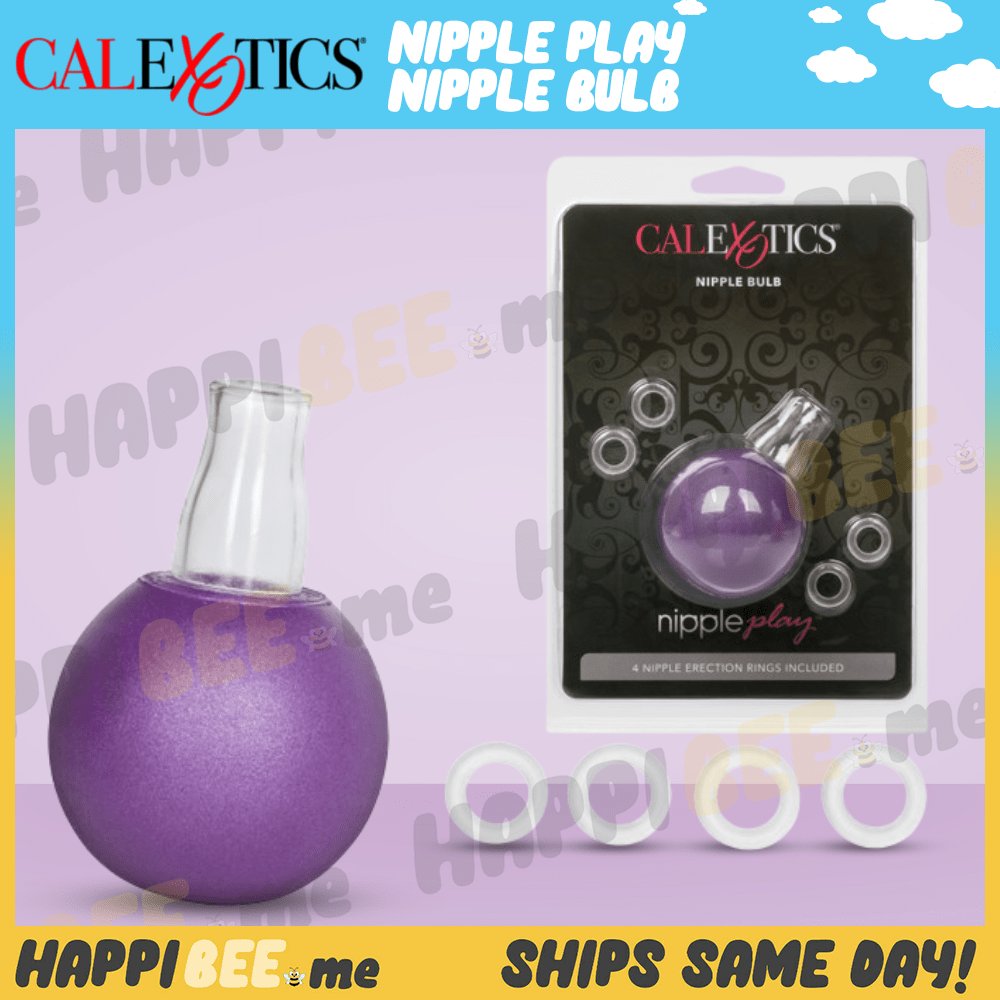
Suction-based nipple toys work through vacuum rather than compression. Instead of squeezing the nipple from the outside, they draw it into a chamber by removing air, which pulls blood into the tissue and engorges the nipple. The result is increased size, heightened color, and dramatically amplified sensitivity — the same principle behind genital pumping devices, applied on a smaller scale to the nipple.
Bulb-style suckers are the simplest version — a small silicone or rubber cup with a squeezable bulb. Press the cup over the nipple, squeeze the bulb to expel air, and the resulting vacuum draws the nipple into the cup. The harder you squeeze, the stronger the suction. To remove, lift one edge of the cup to break the seal. Twist-top vacuum suckers offer finer control — a threaded knob gradually removes air from the cylinder, allowing you to increase suction in very small increments. This is the better choice for people who want precise control over intensity, and for nipples that are either very sensitive or slow to respond to stimulation.
Suction and clamping work well in sequence. Apply suckers first for 5 to 10 minutes to engorge the nipples and draw blood to the surface, then switch to clamps. The engorged nipple is larger (easier to clamp), more sensitive (lower pressure threshold to register sensation), and the combined effect of suction followed by compression is more intense than either method alone.
Vibrating Nipple Toys
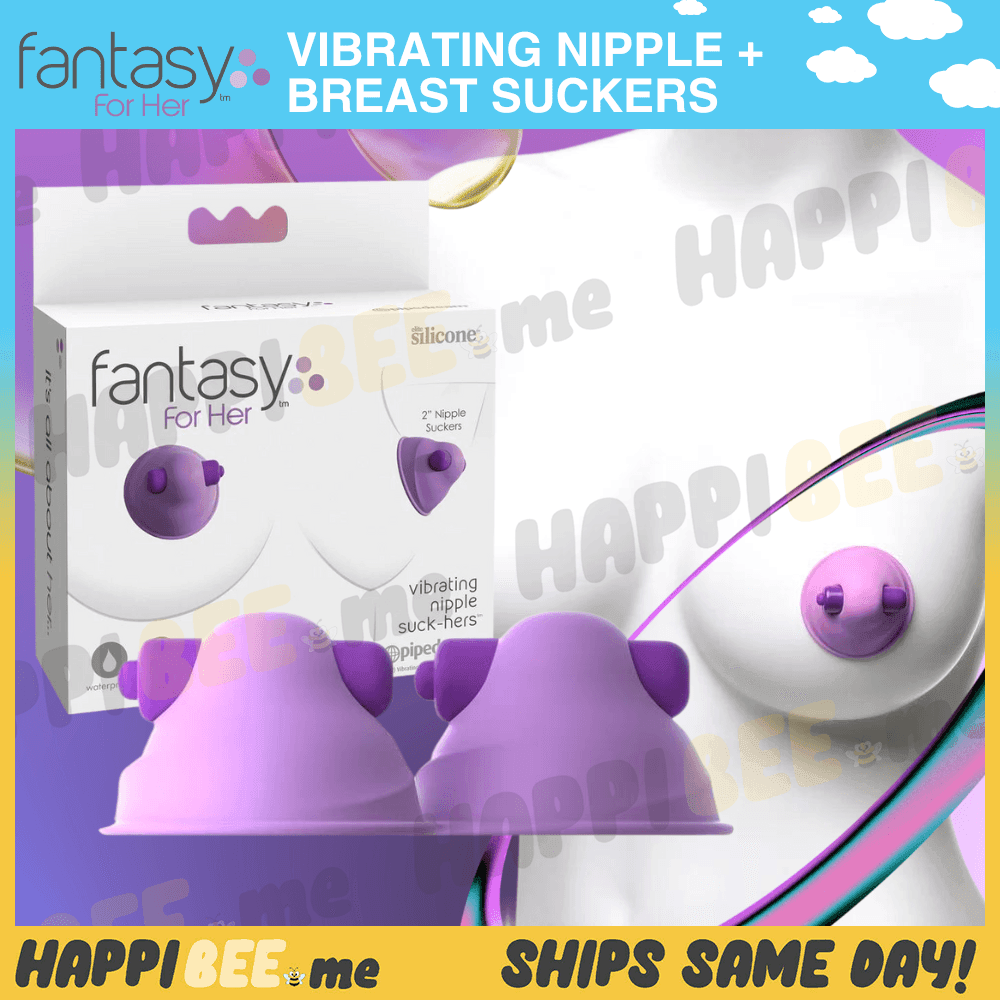
Vibrating nipple toys add a third modality — oscillation — on top of or instead of pressure and suction. Some are vibrating clamps (a standard tweezer or alligator clamp with a small bullet vibrator attached), while others are self-contained vibrating cups or silicone pads that adhere to the nipple and deliver vibration without any clamping pressure. The vibration stimulates the nipple's Meissner's corpuscles (the touch receptors most sensitive to rapid changes in pressure), which creates a buzzing, tingling sensation distinct from the steady squeeze of a clamp or the engorgement pull of a sucker.
For people who find clamping too painful at any pressure level, vibrating nipple pads or cups are the alternative — they provide continuous stimulation without compression or blood restriction. Remote-controlled vibrating nipple toys allow a partner to control the intensity and pattern from across the room, adding a power-exchange element without any physical restriction. These pair naturally with blindfolds — the blindfolded partner cannot see when the vibration will change, so every shift in intensity or pattern arrives as a surprise.
Chains, Weights, and Connected Systems
Many nipple clamps come connected by a chain, and the chain is not decorative — it is functional. A tug on the chain pulls both nipples simultaneously, and the force of the tug determines how much additional pressure the clamps apply. During partnered play, the top can hold the chain and use it as a control lever — a gentle pull as a reminder, a firmer pull as a command. The chain can also be draped over a collar or restraint connector so that the wearer's own movement creates intermittent tugging.
Y-chains add a third clamp that drops from the midpoint of the nipple chain to the clitoris or the frenulum, linking nipple stimulation to genital stimulation in a single connected system. Any tug on the chain affects all three points simultaneously. Weighted attachments — small metal weights that clip or screw onto the clamp or chain — add constant downward pull, which means the nipples are under tension even when nobody is touching the chain. The weight can be increased incrementally as the session progresses and the nipples acclimate.
Timing, Removal, and Aftercare
Nipple clamps should not stay on for more than 10 to 30 minutes at a time, depending on the intensity of the clamp and the individual's tolerance. The guideline is based on blood flow restriction: the longer the circulation is reduced, the higher the risk of tissue damage and nerve injury. Watch the skin color of the clamped nipple — a deepening purple or a shift to white indicates that circulation is too restricted and the clamp should be removed. A healthy clamped nipple stays pink or slightly darker than its natural color.
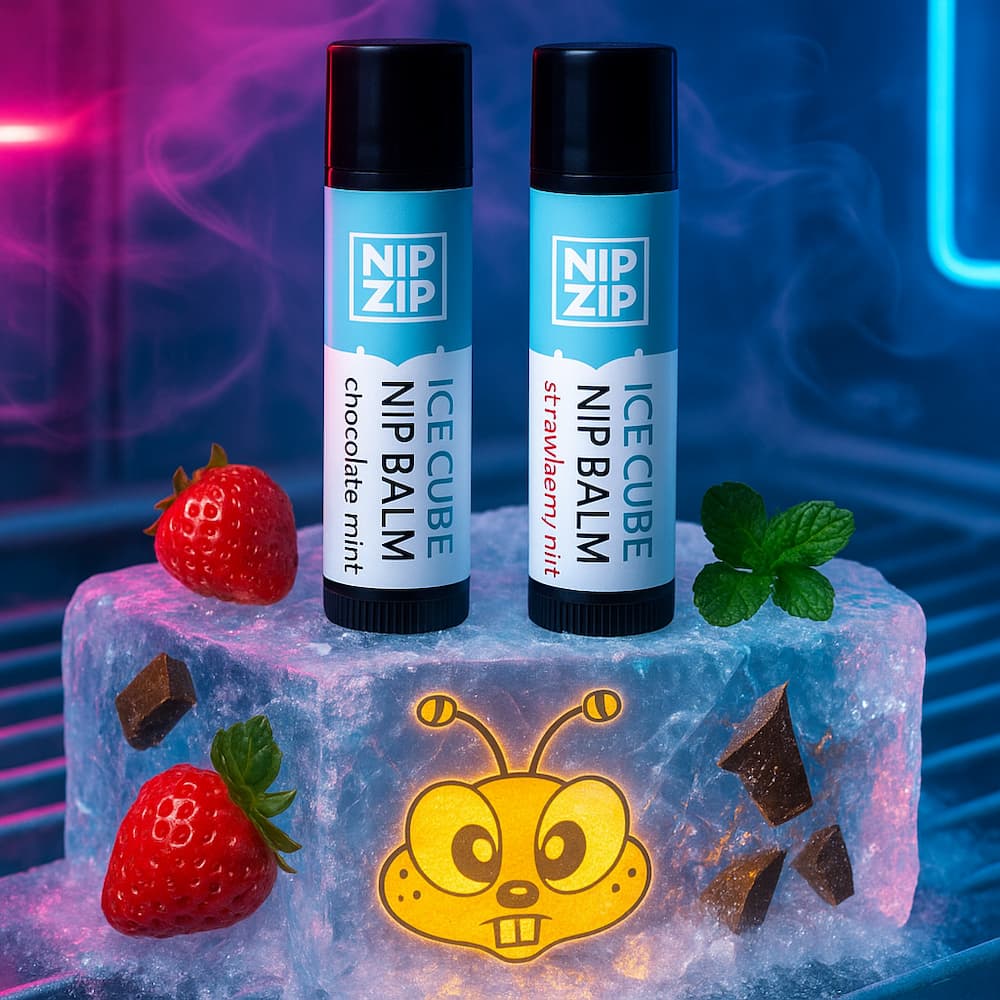
Removal is the most intense moment of the entire experience. Blood returning to compressed tissue releases oxytocin and triggers a rush of sensation that can be overwhelming. Remove clamps slowly rather than snapping them off — open the jaws gradually over a few seconds to control the blood re-entry. Immediately after removal, gentle touch, licking, sucking, or the application of a cool cloth or ice can either soothe or intensify the post-clamp sensitivity depending on what the wearer wants. Some people find post-removal stimulation to be the best part of the entire session. Others need the nipples left completely alone for a minute while the sensitivity subsides. Ask.