Prostate Massagers Designed to Hit One Specific Spot
The prostate sits a few inches inside the rectum, angled toward the front of the body, roughly behind the base of the penis. It is a walnut-sized gland surrounded by nerve endings that respond to pressure in a way most people do not experience through any other kind of stimulation. When that pressure is applied accurately — with the right angle, the right firmness, and enough patience — the result can range from a deep, radiating warmth to a full-body orgasm that feels nothing like a penile orgasm. A prostate massager is designed to do one thing well: put focused, repeatable pressure on that gland without requiring you to manually guide a toy into the correct position every time.
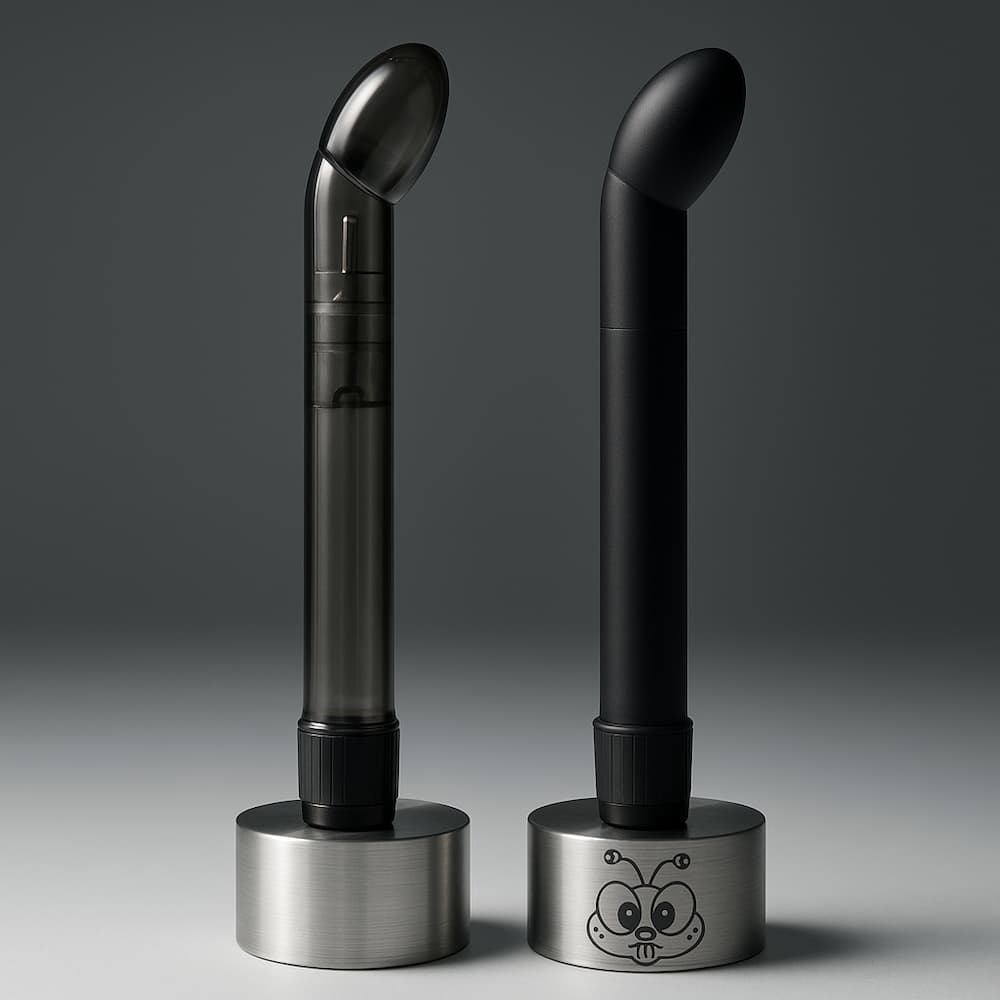
What separates a prostate massager from a butt plug or a general anal toy is the curve. A butt plug fills space. Anal beads create rhythm. A prostate massager targets a specific anatomical structure with a deliberate bend — typically 30 to 45 degrees — that aligns the tip of the toy with the front wall of the rectum where the prostate lives. Without that angle, stimulation is indirect at best. With it, the toy makes contact with the gland on insertion and maintains contact during use, whether you are moving the toy manually, rocking it with your pelvic floor, or letting a vibrating motor do the work.
Finding the P-Spot
The prostate is located about two to three inches inside the anus, toward the belly button rather than the spine. If you insert a lubricated finger and curl it forward in a "come hither" motion, the gland feels like a smooth, rounded bump that is slightly firmer than the surrounding tissue. Not everyone locates it on the first attempt, and the sensitivity can range from immediately intense to something that builds gradually over several sessions. Arousal makes the prostate swell slightly, which makes it easier to find and more responsive to pressure — so exploring while already turned on significantly improves the odds of a noticeable result the first time.
The depth and exact position of the prostate vary from person to person, which is why massagers come in different lengths and curvatures. A toy with a more pronounced angle applies sharper, more localized pressure. A toy with a gentler curve distributes contact across a broader area. Neither is categorically better — the right one depends on your anatomy and what kind of stimulation feels best to you. Starting with a moderately curved design gives you a baseline, and you can adjust from there as you learn where your body responds most.
Manual vs Vibrating Massagers
Manual prostate massagers have no motors, no batteries, and no charging cables. They rely entirely on your body's own movement — pelvic floor contractions, subtle hip shifts, and the natural rocking that happens when you clench and release the muscles around the toy. The most well-known manual designs use a balanced weight distribution and a pivot point at the perineum tab so that each contraction of the sphincter translates into a rocking motion that taps the toy against the prostate rhythmically. Learning this technique takes practice. Many first-time users expect immediate fireworks, but manual prostate massage is a skill that develops over sessions as you learn to isolate and control the right muscles. For the people who invest that time, the payoff is a type of hands-free, internally driven stimulation that vibrating toys approach from a different angle but do not replicate.
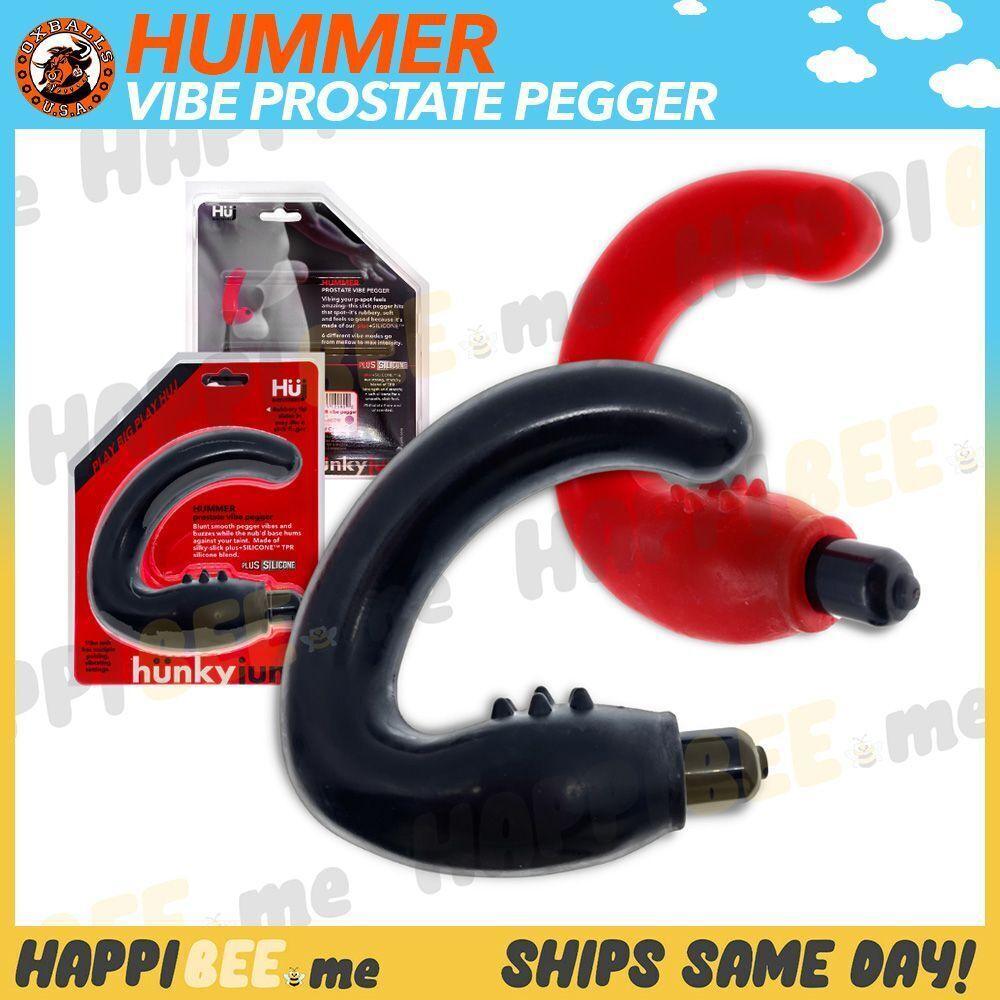
Vibrating prostate massagers add motorized stimulation that does not depend on your muscle control. A motor in the head of the toy sends vibrations directly into the gland, and many models include a second motor in the perineum arm that stimulates the underside of the prostate from outside the body simultaneously. The combination of internal vibration and external perineum pressure creates what manufacturers describe as a "sandwich" effect — stimulation from both sides of the gland at once. Vibrating models are generally more immediately rewarding for beginners because the sensation is obvious and does not require learning a pelvic floor rocking technique. They also offer a wider range of intensity through variable speed and pattern settings, which makes them more versatile for people who want to experiment with different kinds of stimulation in a single session.
The Perineum Arm
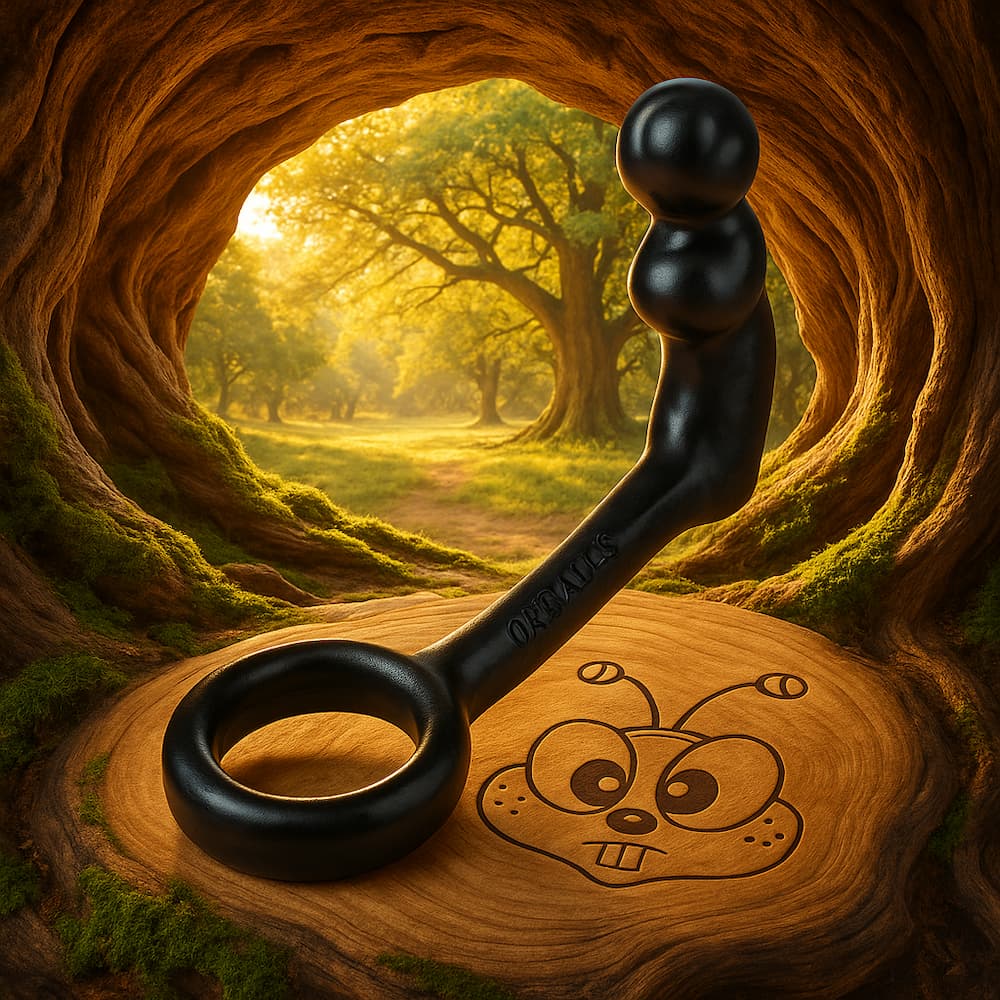
Most prostate massagers include an external arm or tab that rests against the perineum — the area of skin between the scrotum and the anus. This is not a decorative feature. The prostate can be felt through the perineum with firm external pressure, and the arm applies that pressure passively while the internal shaft works from the other side. In manual massagers, the perineum arm also serves as the pivot point that converts pelvic floor contractions into internal rocking motion. Adjusting the angle of the arm by even a small amount changes where external pressure lands, which can dramatically shift the intensity of the combined stimulation. If a massager feels underwhelming on first use, repositioning the perineum tab before assuming the toy is not working is worth trying.
What a Prostate Orgasm Feels Like
Prostate orgasms are described differently than penile orgasms by nearly everyone who experiences them. The common descriptions involve a deep, spreading warmth that builds slowly, a sensation of internal pulsing that radiates outward through the pelvis and sometimes the entire body, and a duration that far exceeds a typical ejaculatory orgasm — some people describe sustained waves lasting minutes rather than seconds. A prostate orgasm does not always involve ejaculation, and it does not always require an erection. It operates through a different neurological pathway, which is why the sensation feels fundamentally unlike anything produced by external stimulation of the penis. Not everyone achieves a prostate orgasm on the first attempt or even the first several attempts. It is a learned response for many people, and patience with the process is the single most common piece of advice from experienced users.
Pairing and Combination Use
Many users combine a prostate massager with other forms of stimulation. Wearing a prostate toy during masturbation intensifies the penile orgasm and can trigger a blended orgasm that combines both pathways simultaneously. Pairing a massager with a cock ring maintains erection firmness while the internal stimulation builds, which is a popular combination for partnered sex where the person wearing the massager is also penetrating their partner. For partnered play where someone else controls the toy, app-controlled models allow a partner to adjust vibration intensity and patterns remotely — useful for edging, teasing, or handing over control entirely.