Dildos – Shape, Material, and Sensation You Control Completely
A dildo is a non-vibrating penetration toy designed to be moved by hand, giving you full control over depth, angle, speed, and pressure throughout the entire experience. Unlike motorized vibrators that rely on oscillation to create sensation, dildos produce pleasure through physical shape, firmness, and texture — the way the toy fills, stretches, and presses against internal walls as you move it. This direct, manual control is a large part of why dildos remain one of the oldest and most widely used categories of sex toys, and why many people prefer them over powered alternatives for certain types of stimulation.
Because there is no motor involved, the material and design of a dildo determine almost everything about how it feels. Two dildos of the same length and diameter can produce completely different sensations depending on whether one is made from soft, flexible silicone and the other from rigid stainless steel. Firmness, surface texture, curvature, and weight all play a role, which means choosing the right dildo is less about specifications on paper and more about understanding what kind of internal sensation you respond to.
Materials and What They Feel Like
Silicone is the most common material for quality dildos. It is non-porous, hypoallergenic, and available in a wide range of firmness levels — from soft and squishy models that compress under pressure to firm, dense options that hold their shape during use. Softer silicone tends to feel more forgiving during insertion and more comfortable for extended sessions, while firmer silicone delivers stronger pressure against internal walls, which many people prefer for targeted G-spot or prostate stimulation. Dual-density silicone dildos combine both — a rigid inner core surrounded by a soft outer layer — creating a toy that feels firm where it needs to apply pressure but gives slightly on the surface, mimicking the way a human body feels.
Glass dildos are made from tempered borosilicate, the same type of glass used in laboratory equipment. They are smooth, rigid, and weighted in a way that provides a distinct feeling of fullness. Their primary advantage beyond the firm, frictionless glide is temperature responsiveness — running a glass dildo under warm water or placing it briefly in the refrigerator creates a thermal contrast that adds a sensory dimension no flexible material can replicate. Glass is also the easiest material to sterilize and is compatible with every type of lubricant, including silicone-based formulas that should not be used with silicone toys.
Stainless steel dildos share many of the same qualities as glass — rigid, weighted, temperature-responsive, and fully sterilizable — but with noticeably more heft. The added weight means less effort is needed to apply firm internal pressure, and the polished surface creates an exceptionally smooth glide. Steel is virtually indestructible with normal use, making it a long-term investment that will not degrade over time.
Dildo Styles
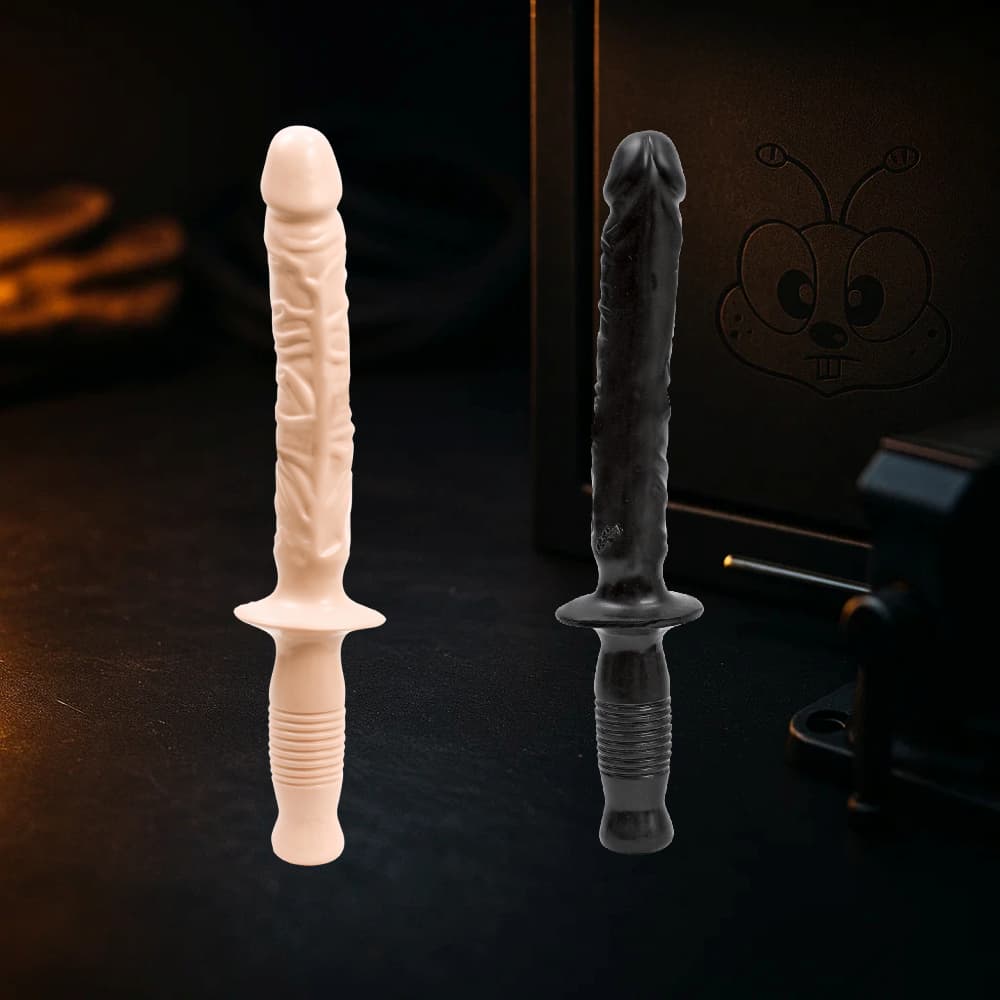
Realistic dildos are sculpted to replicate human anatomy, with defined heads, veined shafts, and sometimes a molded base resembling testicles. These appeal to people who want a lifelike look and feel during use, and the anatomical shaping can help with natural G-spot or P-spot contact depending on the curve. Fantasy dildos take a different direction entirely — non-human shapes, unusual textures, vibrant colors, and exaggerated proportions designed for visual and physical novelty. These are popular in communities that enjoy creative expression in their toys and are often handcrafted from premium silicone in small batches.
Glass and metal dildos tend to prioritize elegant, sculptural design. Many are curved specifically for G-spot or prostate targeting, and the rigid construction means the curve maintains consistent contact with the front wall without flexing away under pressure — something softer materials sometimes do. Thrusting dildos are the exception to the non-motorized rule in this category. These use an internal mechanism to produce automated in-and-out motion, reducing the manual effort required and freeing up your hands during solo use.
Suction Cups and Hands-Free Use
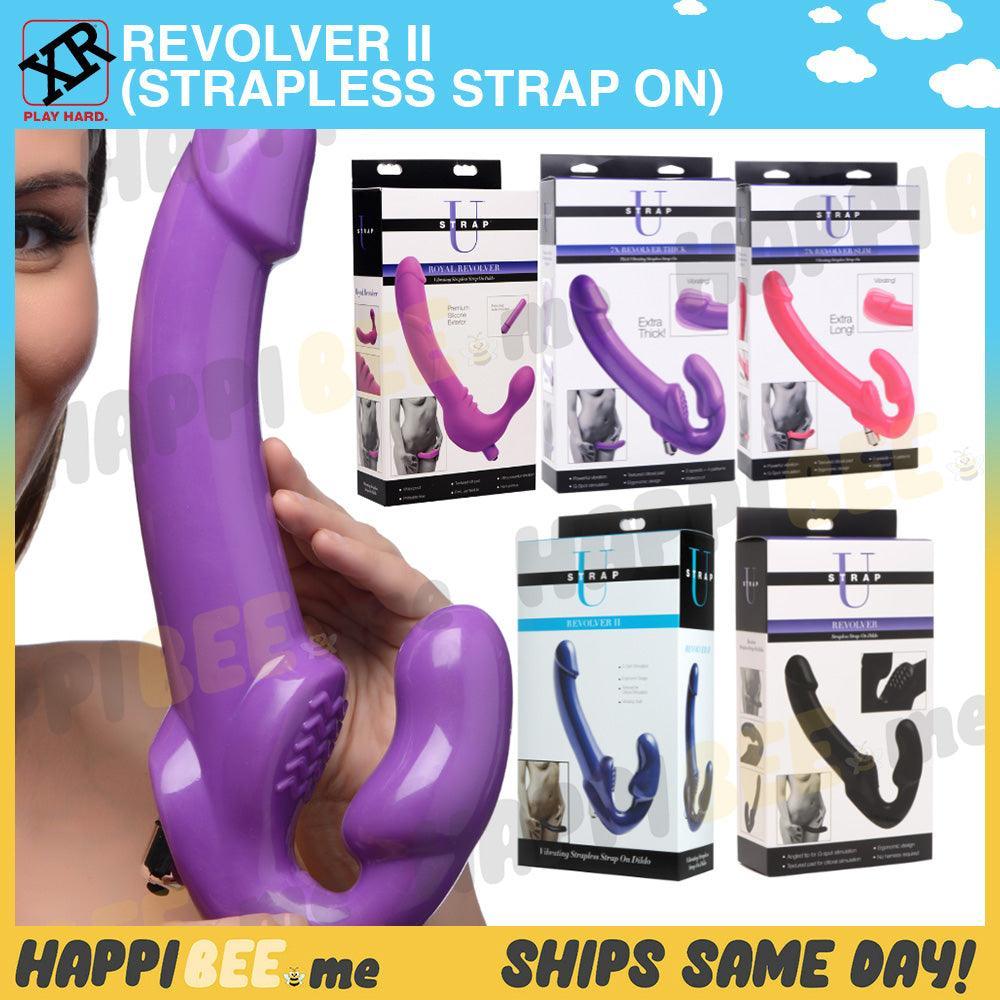
Many dildos include a flat suction cup base that adheres to smooth, non-porous surfaces like tile, glass, or hardwood. This turns any flat surface into a mounting point for hands-free riding, which opens up positions and movement patterns that are difficult or impossible when holding the toy manually. A suction cup base also makes a dildo harness-compatible for strap-on play, whether for pegging, partnered penetration, or any scenario where one person wears the toy for another. If hands-free versatility matters to you, confirming that a dildo has a flared or suction base before purchasing saves the frustration of discovering it does not after the fact.
A flared base also serves a critical safety function for anyone interested in anal use. The rectum does not have a natural stopping point the way the vaginal canal does, which means a toy without a flared base can potentially be pulled inward and become difficult to retrieve. Any dildo intended for anal penetration must have a base wider than the shaft — this is a safety requirement, not a preference.